8 Easy Passive Income Ideas for Beginners With No Money (Honest Guide for 2026)

Looking for passive income ideas for beginners with no money? This honest guide covers 8 real options, how much each pays, how long it takes, and which one to start with based on your skills and timeline.

The word “passive” is one of the most misused words in online income.
It gets attached to income streams that actually require months of consistent upfront work before they produce a single dollar without active effort. And when beginners discover that, they feel misled, which is fair.
So before we get into the eight ideas, let me say something clearly: every form of passive income starts with active work.
The difference between passive and active income is not that one requires effort and the other doesn’t. It’s that with active income, you trade time for money continuously, and with passive income, you trade time and effort upfront for income that eventually continues without proportional additional effort.
These passive income ideas for beginners with no money are real, they’re all free to start, and every single one of them requires genuine work before they become genuinely passive.
With that established, here’s what actually works.
TL;DR
- All 8 of these passive income ideas cost nothing to start and are accessible to complete beginners.
- Most take three to twelve months of consistent effort before producing meaningful passive earnings, and the ones that produce faster results also have lower long-term income ceilings.
- Affiliate marketing has the highest long-term ceiling of any idea on this list and is the one I’d recommend most strongly for someone willing to invest consistent effort over a twelve-month window.
- Selling digital products and templates has the fastest path to first sale, often within a few weeks of starting, for someone who creates a focused, specific product.
Recommended Reading
- 50+ Legit Ways to Make Extra Money Online in 2026 (Real Opportunities That Pay)
- Things I Wish I Knew Before Trying to Make Money Online (The Lessons Nobody Shares)
- How to Start a Side Hustle With No Money (7-Day Beginner Plan That Actually Works)
- How to Make Money Online for Beginners With No Skills
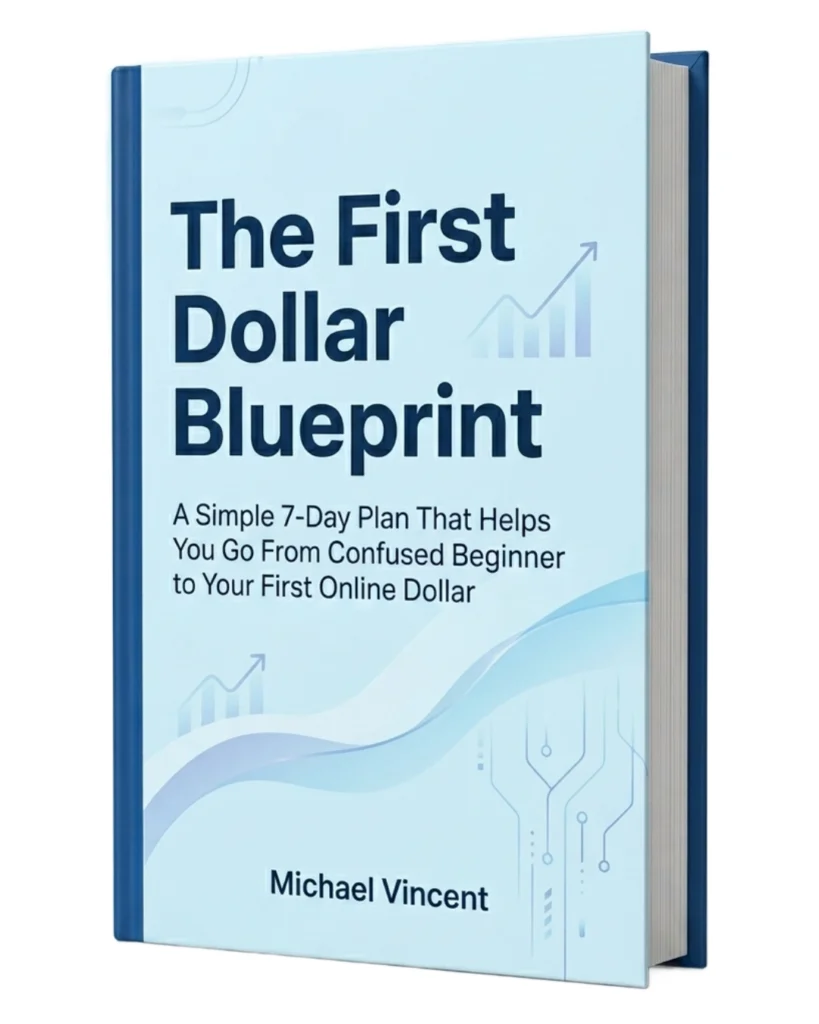
Too Many Options. Not Enough Action.
One of the biggest mistakes beginners make is spending weeks comparing different ways to make money online without ever committing to one. The First Dollar Blueprint was created to help you break that cycle with a simple 7-day plan that tells you exactly what to do each day, even if you’re starting with zero experience and zero money.
8 Passive Income Ideas for Beginners With No Money: A Quick Comparison
| Passive Income Idea | Upfront Work | Time to First Sale | Monthly Potential (12+ Months) | Best For |
|---|---|---|---|---|
| Affiliate Marketing | Writing content (blog, social, newsletter) | 6–12 months | $500–$5,000+ | People who enjoy writing and researching |
| Digital Products (ebooks, guides, planners) | Creating the product + sales page | 2–4 weeks | $200–$2,000+ | People with niche knowledge to package and sell |
| Print on Demand | Designing and uploading designs | 2–8 weeks | $100–$500 | Visually creative people with specific niche ideas |
| Stock Photography (Foap, Shutterstock) | Uploading quality phone photos | 2–4 weeks | $50–$300 | People who take good photos naturally |
| YouTube Channel | Creating and uploading videos | 6–12 months (to monetize) | $200–$3,000+ | People comfortable on camera or with voiceover |
| Selling Canva / Notion Templates | Designing and listing templates | 1–4 weeks | $100–$800 | Visually organised people who enjoy design |
| Email Newsletter | Writing weekly issues + building list | 3–6 months | $200–$1,000+ | People who enjoy writing and relationship-building |
| Amazon KDP (low-content books) | Designing journals, planners, trackers | 1–4 weeks | $100–$800 | Detail-oriented people who enjoy research and building portfolios |
Which Passive Income Idea Fits You?
| If You… | Choose This |
|---|---|
| Enjoy writing and researching | Affiliate marketing or email newsletter |
| Have niche knowledge to package | Digital products (ebooks, guides, planners) |
| Are visually creative or good with Canva | Print on demand or Canva/Notion templates |
| Take good photos with your phone | Stock photography (Foap, Shutterstock) |
| Are comfortable on camera or with voiceover | YouTube channel |
| Are detail-oriented and enjoy research | Amazon KDP (low-content books) |
| Want the fastest path to first sale | Digital products or Canva templates (1–4 weeks) |
| Want the highest long-term ceiling | Affiliate marketing or YouTube |
| Hate writing but love designing | Print on demand or stock photography |
Time Commitment vs Income Potential
| Passive Income Idea | Active Time Required (Weekly) | Time to Passive Phase |
|---|---|---|
| Affiliate Marketing | 5–10 hours (writing content) | 6–12 months |
| Digital Products | 10–20 hours (one-time creation) | 2–4 weeks (then passive) |
| Print on Demand | 3–5 hours (designing + uploading) | 2–8 weeks (then passive) |
| Stock Photography | 1–3 hours (uploading photos) | 2–4 weeks (then passive) |
| YouTube Channel | 5–10 hours (recording + editing) | 6–12 months |
| Canva / Notion Templates | 3–5 hours (one-time design) | 1–4 weeks (then passive) |
| Email Newsletter | 2–4 hours (weekly writing) | 3–6 months |
| Amazon KDP | 3–5 hours per book | 1–4 weeks (then passive) |
What Passive Income Actually Means (And Why This Matters Before You Pick an Idea)
Here’s the most honest framing I can give you.
Passive income is not “money you make while you sleep” from day one.
For most people in the early stages, it’s more accurately described as “money you earn from work you did a while ago.” The article you wrote six months ago still gets visitors and generates affiliate commissions.
The ebook you created in January still sells in December. The YouTube video you uploaded last year still earns ad revenue this week.
That’s what makes it powerful. Not that it requires no effort, but that the effort you put in once keeps producing beyond the initial moment. A blog post that earns $30 a month in affiliate commissions and took four hours to write has an effective hourly rate that grows every month it continues earning.
The practical implication of this for a beginner is important.
Don’t choose a passive income method based on how quickly it pays. Choose based on how much it can earn and how well the type of work matches your natural strengths and available time. The right fit for you is more important than the highest possible ceiling, because you won’t stay consistent with something that doesn’t suit how you work.
1. Affiliate Marketing: The Most Powerful Passive Income Idea for Beginners With No Money
Affiliate marketing is the passive income idea I’d recommend above every other one on this list, and I want to be specific about why.
When you publish a blog post, a YouTube video, a newsletter, or social media content that includes a recommendation and an affiliate link, that piece of content can continue earning commissions for months or years after you created it.
Someone finding that content through a Google search today, reading a recommendation you wrote a year ago, and clicking through to buy something produces commission income that has no additional cost to you in time or money.
The math compounds differently from any active income. A freelancer who stops working stops earning. An affiliate marketer who stops publishing for a month still earns from every piece of content already published. That’s the specific power of this model.
The free starting point for affiliate marketing is real. Beehiiv gives you a hosted newsletter page to capture email subscribers for free. Hostinger makes setting up a proper blog very affordable if and when you’re ready to take the next step. Creating content costs nothing except your time and knowledge.
Read: How to Start Affiliate Marketing for Beginners: A Complete Step-by-Step Guide
The specific platforms where beginners find affiliate programs worth starting with include Amazon Associates, ShareASale, and brand-specific programs that pay 20% to 60% per sale in categories like software, online tools, and digital services.
Check out: Best Affiliate Programs for Beginners in 2026 (No Big Audience Required)
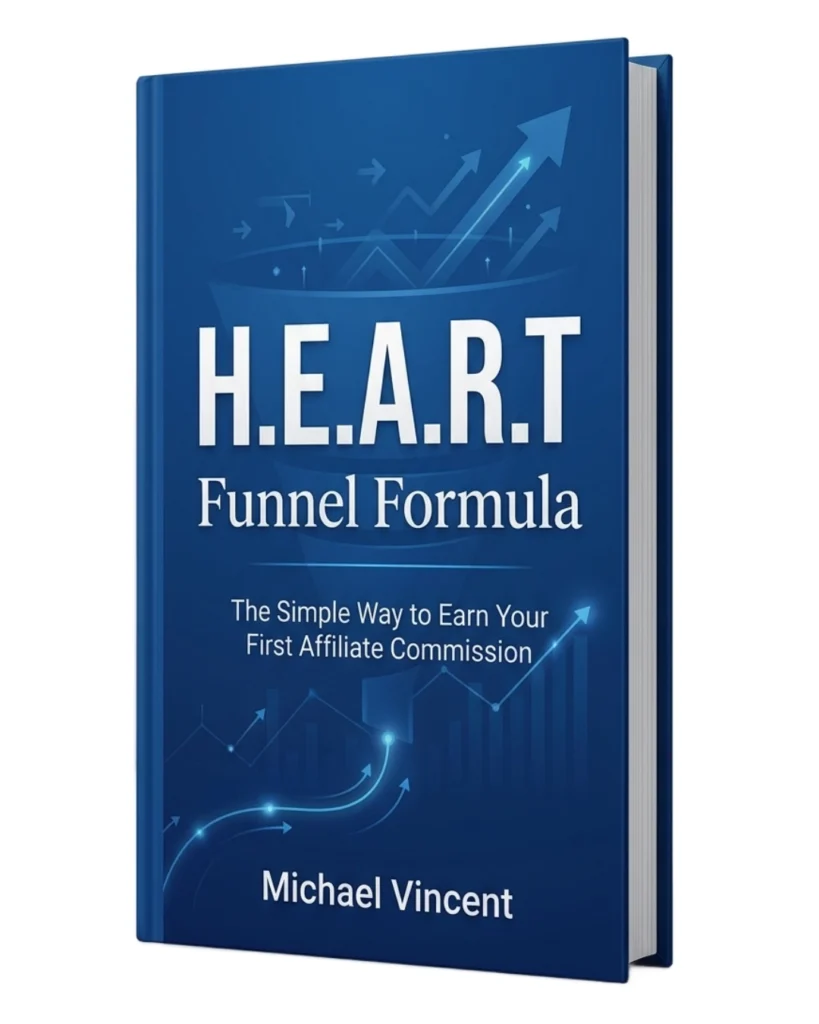
Affiliate Marketing Is More Than Just Dropping Links
A lot of beginners think affiliate marketing starts with a link. In reality, the link is only one small part of the process. The H.E.A.R.T Funnel Formula shows you how everything fits together, from creating content to earning commissions, so you can follow a clear system instead of trying random tactics and hoping they work.
GravityWrite helps you produce the volume of content that affiliate marketing rewards consistently, without the content creation process consuming all the time you have available.
Semrush helps you find the specific topics your audience searches for when they’re close to making a purchase, which is the research layer that makes affiliate content convert rather than just attract visitors.
Realistic timeline: Six to twelve months of consistent content publishing before meaningful passive commissions arrive. The ceiling is high, and the income genuinely compounds once it starts.
Best for: People who enjoy writing, researching, or creating content and who can commit to consistent publishing over a meaningful period.
Recommended: How to Earn Extra Income Online with Affiliate Marketing: A Beginner’s Honest Guide
2. Creating and Selling Digital Products With Zero Upfront Cost
A digital product is something you create once and sell an unlimited number of times at no additional cost per sale.
That sentence is the entire argument for why digital products are one of the most genuinely passive income ideas for beginners with no money available. Once the product exists and the sales page is live, every sale that happens while you’re asleep, at work, or spending time with family is pure leverage of the upfront work.
The types of digital products that require no money to create and are genuinely accessible to beginners include ebooks and detailed guides written in Google Docs and exported as PDFs, workbooks and planners created in Canva with a free account, mini courses recorded on a phone and hosted on a free platform, and resource bundles that compile useful templates, checklists, or frameworks in a single downloadable package.
Payhip is the platform I’d recommend for most beginners selling a first digital product because the free plan lets you list and sell products immediately with no monthly fee, taking only a small percentage per transaction. You can have a product live and for sale in a single afternoon.
Systeme.io is worth considering alongside Payhip if you want email automation connected to your product, so that everyone who buys automatically receives a welcome email and gets added to your list for future recommendations.
Realistic timeline: A beginner who creates a specific, useful product can make their first sale within two to four weeks of launching if they actively promote it to their existing audience or through social media. The income becomes passive as content about the product accumulates and drives organic discovery.
Best for: People who have knowledge or experience in a specific area and can package that knowledge into something someone else genuinely wants to own and use.
Recommended Reading: Best Platforms to Sell Digital Products and Start Earning
3. Print on Demand: Design Once and Earn Royalties for Free
Print on demand is one of the most genuinely beginner-friendly passive income ideas because the business model handles everything except the design.
You create a design using Canva’s free plan. You upload it to a print-on-demand platform like Redbubble, Merch by Amazon, or Printful. When someone buys a product featuring your design, the platform prints it, ships it, and handles customer service. You receive a royalty for each sale without touching a product, managing inventory, or paying for printing.
Redbubble is the most beginner-accessible entry point because it has a free seller account, a large built-in audience searching for designs, and a simple upload process. A design uploaded to Redbubble can be applied to T-shirts, tote bags, phone cases, mugs, stickers, notebooks, and dozens of other products simultaneously with no additional work.
Merch by Amazon has a higher barrier to entry because it uses an invitation system that can involve a wait before you’re approved, but the earning potential is higher because of Amazon’s enormous customer base and the trust buyers already have in the platform.
The honest challenge with print on demand is that design quality and niche specificity matter more than most beginners expect.
A generic motivational quote on a T-shirt competes against tens of thousands of identical concepts. A specific design targeting a highly specific hobby community, say, dog owners who also love hiking, competes against far fewer options and attracts buyers who feel like the design was made specifically for them.
My honest take is that print-on-demand earns slowly for most beginners in the first few months, often under $50 per month, but the designs continue earning indefinitely once they’re uploaded, and adding new designs regularly compounds the passive income over time.
Realistic timeline: First royalties often arrive within weeks of uploading strong designs in specific niches. Meaningful passive income, over $200 a month, typically requires six to twelve months of consistent design uploading.
Best for: Visually creative people or those comfortable with Canva who enjoy researching niche communities and creating designs that speak to specific audiences.
4. Selling Your Phone Photos for Ongoing Royalties
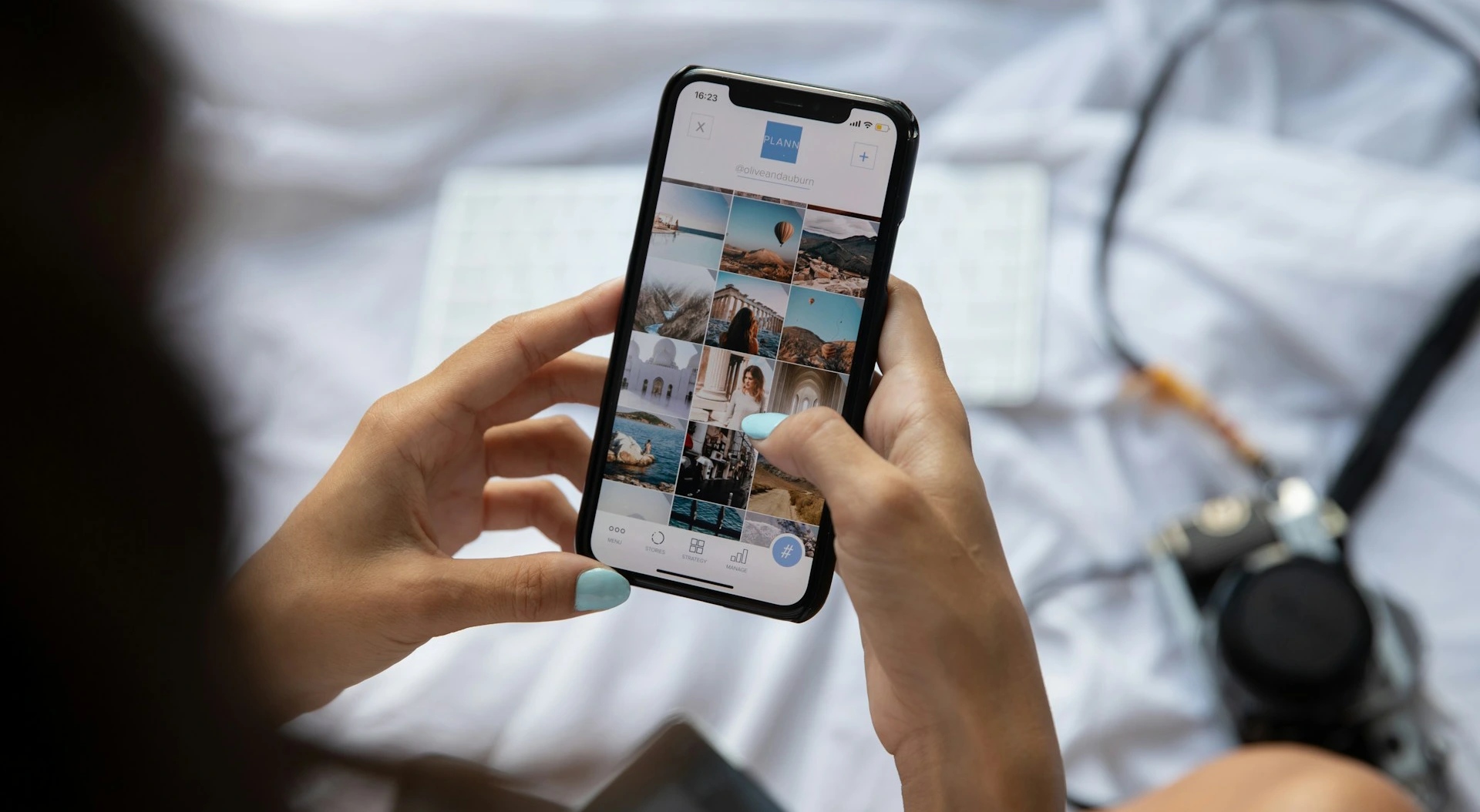
This is the passive income idea most people dismiss too quickly, and the reason they dismiss it is usually that they imagine stock photos as expensive studio shoots with professional models.
That’s not what the stock photography market wants anymore.
What brands, content creators, bloggers, and businesses actually need is authentic, natural photography that looks like real life rather than a staged studio scene. Phone cameras in good natural light produce exactly that kind of image, and there is genuine commercial demand for it.
Foap is the platform built specifically for mobile photographers.
You upload photos directly from your camera roll through the Foap app. Photos in the standard marketplace earn $5 per sale, and brand mission opportunities, which are paid challenges from companies seeking specific types of content, pay $100 to $500 for winning submissions.
Shutterstock Contributor has a larger buyer base than Foap, which means more download potential for each image you upload. The royalty per download is lower than Foap’s per-sale model, but volume compensates for the lower rate over time for photographers who build a substantial library.
What actually sells consistently are authentic lifestyle images showing real people in genuine moments, well-composed food photography in natural light, clean flat-lay product arrangements, travel and city scenes with interesting composition, and nature photos with good lighting and clear subjects.
My personal observation is that the photographers who build meaningful passive income from stock photography upload consistently over many months, rather than uploading fifty photos once and waiting. The library size is what produces consistent passive earnings, because with a large library, some images are being found and downloaded at almost any given time.
Realistic timeline: First royalties within the first month of uploading quality images. Meaningful passive income, over $100 a month, typically requires a library of several hundred images built over six to twelve months.
Best for: People who naturally take a lot of photos and have a good eye for composition and natural lighting.
5. YouTube Channel: Videos That Earn Ad Revenue Long After You Upload
A YouTube video, once monetized, earns ad revenue from every view regardless of when that view happens. A tutorial you upload today can earn its highest monthly revenue two years from now if the algorithm decides to recommend it widely to a new audience.
That long-tail earning characteristic is what makes YouTube one of the most genuinely passive income streams available, even though building to the monetization threshold, 1,000 subscribers and 4,000 watch hours, requires real upfront effort.
The free starting point is absolute. A phone with a decent camera, natural lighting, and CapCut for free mobile editing is all you need to start creating and uploading content that can eventually earn ad revenue indefinitely.
The specific channel types that earn well without requiring expensive equipment or a large upfront investment include tutorial channels that teach a specific skill, comparison and review channels in niches with affiliate potential, educational explainer channels in specific subject areas, and faceless channels that use screen recordings with voiceover rather than camera footage.

The monetization threshold is genuinely achievable for most beginners within six to twelve months of consistent uploading, but the first six months often feel like working with no visible reward, which is the specific point where most YouTube beginners quit.
The channels that make it past twelve months almost all build meaningful passive income. The ones that don’t are usually the ones that quit between months three and six.
Realistic timeline: Six to twelve months of consistent uploading to reach monetization. Ad revenue starts as modest, often $50 to $150 per month initially, and grows as the channel’s library expands and the algorithm promotes older videos to new audiences.
Best for: People who are comfortable on camera or with voiceover, who can commit to a consistent upload schedule, and who are genuinely interested in the topic they’re covering.
6. Selling Canva and Notion Templates on Etsy or Payhip
Template selling is one of the fastest passive income ideas for beginners with no money to first sale, and it deserves more specific attention than most guides give it.
A template is a pre-built design, document, or system that someone else can customise for their own use without starting from scratch.
Canva templates, Notion workspace templates, Google Sheets budget templates, Instagram post templates, and presentation slide decks are all things people pay for regularly because they solve the specific problem of starting from a blank page.
The free version of Canva is entirely sufficient for creating templates worth selling. You design a template, convert it to a shareable format, and list it on Payhip for free or on Etsy for a small listing fee.
What sells well in the template market: Instagram post templates in specific aesthetics that content creators can customise weekly, business proposal templates that consultants and freelancers can adapt for clients, monthly budget and expense tracker templates, social media content calendar templates, and Notion productivity system templates for specific professional roles.
The passive income mechanism is clean. Once a template is listed on Payhip or Etsy and starts appearing in search results, downloads happen without any additional work from you. The best-selling templates on Etsy have been earning their creators passive income for years from a design that took a few hours to build.
A specific personal insight here is that the templates that earn consistently are not the most elaborate ones. They’re the most useful ones for a specific type of buyer.
A social media template pack designed specifically for yoga instructors will consistently outsell a generic social media template pack because yoga instructors searching on Etsy will immediately recognise it as something made for them.
Realistic timeline: First sales can arrive within weeks of listing on a platform with existing traffic like Etsy. Income scales with the number of listings and the quality of the search optimisation on each listing.
Best for: Visually organised people who enjoy design and can identify specific types of buyers whose recurring needs are well-served by a reusable template.
7. Email Newsletter Monetized With Affiliate Recommendations
An email newsletter is listed here as a passive income idea with an important caveat: the writing of the newsletter itself is active work.
What makes it semi-passive is that the affiliate income earned from recommendations within it requires no additional work per dollar earned, and the list you build becomes an increasingly valuable asset that earns more per issue as it grows.
The mechanism works like this…
You build a newsletter in a specific niche using Beehiiv, which is free to start and gives you a clean, professional newsletter immediately.
You write and send a weekly or twice-monthly issue covering topics your subscribers care about. Within those issues, you naturally recommend tools, services, and products relevant to your niche through affiliate links. When subscribers click and buy, you earn a commission.
The passive element increases over time as your subscriber list grows. A recommendation sent to 200 subscribers might produce two or three affiliate purchases. The same recommendation sent to 2,000 subscribers might produce twenty or thirty purchases, for the same effort of writing one email.
The list also compounds in value because subscribers who have been with you for six months have seen you be consistently helpful and honest, which makes them significantly more likely to act on your recommendations than subscribers who joined last week.
Beehiiv’s built-in recommendation network also means that other newsletters can recommend yours to their subscribers, creating passive list growth as your existing subscribers share your newsletter with people they know.
Realistic timeline: An engaged subscriber list of 500 to 1,000 people typically takes three to six months to build through consistent content and active list growth strategies. Meaningful affiliate income from a newsletter, over $200 a month, is realistic at that size in the right niche.
Best for: People who enjoy writing, have a specific topic they’re knowledgeable about, and are building a content business where email is the central relationship-building tool.
Recommended Reading: How to Start Building an Email List From Zero (And Why You Should Start Today)
8. Amazon KDP: Publishing Low-Content Books for Free
Amazon Kindle Direct Publishing is one of the most overlooked free passive income ideas for beginners because most people hear “publish a book” and immediately imagine writing a 60,000-word novel or a comprehensive nonfiction guide.
That’s not what low-content publishing is.
Low-content books are products like blank-lined journals, habit trackers, gratitude journals, workout logs, budget planners, recipe organisers, children’s activity books, and colouring books. The “content” in these books is largely structural, a beautiful cover, well-designed interior pages, and a useful format, rather than written text.
You create the interior using Canva’s free account or free KDP templates. You design a cover. You upload both to KDP for free. Amazon lists your book in its marketplace and prints it on demand when someone orders, exactly like the print-on-demand model but through Amazon’s enormous built-in audience.
Royalties are around 60% on print books for KDP Select and varying rates for digital books. A journal selling for $8.99 earns roughly $2 to $3 per sale, which accumulates meaningfully when multiple books are selling simultaneously.
Honestly, I would say, the people who earn consistently from low-content books are not the ones who publish five journals and wait. They’re the ones who publish across many specific niches, a journal for nurses, a habit tracker for students, a gratitude journal for busy parents, and build a library of products that collectively earn a small amount each, adding up to a meaningful passive income across the portfolio.
The research side is important. Free tools like Amazon’s own search bar show you what people are actively searching for, and targeting niches with genuine demand but limited existing competition is the strategy that produces consistent sales rather than hoping a generic journal gets discovered.
Realistic timeline: First sales sometimes arrive within days of a well-optimised listing going live. Meaningful passive income, over $100 to $200 a month, typically requires publishing across fifteen to thirty books or more in specific niches.
Best for: Organised, detail-oriented people who enjoy research and are motivated by building a portfolio of products rather than a single large project.
Which of These Passive Income Ideas Should You Start With?
The honest answer depends on three things:
- What type of work feels natural to you
- How quickly do you need income to start arriving
- How much patience do you have for the front-loaded work phase?
If you want the highest long-term ceiling and are willing to invest twelve months before meaningful passive income arrives, Affiliate marketing through a blog or YouTube channel is the right choice. The upfront work is real, the patience required is significant, and the income when it arrives compounds in a way that nothing else on this list matches. Also, check out Blogging vs YouTube for making money
If you want your first sale to arrive as quickly as possible, A focused digital product, a Canva template pack, or a KDP journal in a specific niche can produce a first sale within weeks of launching. The ceiling per product is lower than affiliate marketing, but the speed to first dollar is faster.
If you’re a visual creator who wants something that doesn’t involve writing, print-on-demand and stock photography are the most natural fits, with Redbubble as the lowest-friction starting point for designers and Foap as the most accessible starting point for photographers.
If you’re building a content business and want passive income as a layer within it, An email newsletter on Beehiiv with affiliate recommendations built into regular issues is the right infrastructure to build because it serves every other income stream simultaneously.
My personal recommendation for most beginners is to choose affiliate marketing as the primary strategy and a digital product or template as a secondary income layer, because the two reinforce each other: content you create for affiliate marketing builds the audience that buys your product, and your product builds the trust that makes your affiliate recommendations more credible.
See How to Promote Affiliate Links Without Ads (7 Free Methods That Work)
Conclusion
Eight genuine, free passive income ideas for beginners, each one requiring upfront work and real patience before it becomes the “income while you sleep” version that most people are imagining when they search for this.
The one that suits you best is the one that matches both your natural strengths and your genuine ability to stay consistent through the months before the passive element kicks in. The most profitable passive income idea for someone who hates writing is not the blog with affiliate marketing. The most profitable one is the one they’ll actually keep building past month three.
Pick one. Commit to six months before you evaluate results. Build consistently rather than perfectly.
The passive income is real. The path to it requires choosing something and staying with it long enough for the front-loaded work to start paying off without your active presence.
The First Dollar Blueprint gives you a structured first week on whichever path you choose, with one specific action per day and zero cost to begin. It’s the starting point that removes the paralysis of figuring out what to do first.
Frequently Asked Questions
Are there really passive income ideas that cost nothing to start?
Yes, and all eight ideas in this guide require zero financial investment to begin. Affiliate marketing can start on free platforms like Beehiiv for newsletter building or social media for content distribution. Digital products can be created in Google Docs and sold on Payhip’s free plan. Print on demand is free to join on Redbubble and Merch by Amazon. Stock photography is free to upload on Foap and Shutterstock Contributor. YouTube is free to start. Canva templates are free to create with Canva’s free account. KDP is free to publish on. The investment required is time and consistent effort, not money.
How long does it take to earn your first passive income?
It depends on which idea you choose and how actively you promote it in the beginning. Digital products and templates sold on platforms with existing traffic, like Etsy, can produce first sales within weeks of a well-described listing going live. Print-on-demand royalties can arrive within the first month for well-designed products in specific niches. Stock photography royalties can appear within weeks for well-chosen images. Affiliate marketing and YouTube take the longest, typically three to twelve months before meaningful passive earnings begin, but they have the highest long-term earning ceiling of any option on this list.
What is the easiest passive income idea for a complete beginner?
Low-content publishing on Amazon KDP and selling Canva templates on Payhip or Etsy are the most beginner-accessible options because neither requires an existing audience, a writing skill, or advanced technical knowledge. Both can be started with a free Canva account and produce downloadable or print-on-demand products that sell through platforms with built-in buyers. The easiest truly passive option among all eight is stock photography on Foap, because it involves uploading photos you’ve already taken from a phone app, with no listing optimisation complexity or audience building required.
Can you make significant passive income with no money invested?
Significant, yes, but not quickly. Affiliate marketing through a well-built blog or YouTube channel produces income in the range of $1,000 to $5,000 or more per month for creators who have been consistently building for twelve to twenty-four months. A library of thirty to fifty Redbubble or KDP products can earn $300 to $800 per month passively after twelve months of consistent uploading. A Beehiiv newsletter in a specific niche with 2,000 to 3,000 engaged subscribers can earn $300 to $1,000 per month from affiliate recommendations. These are real outcomes for people who chose one method and stayed consistent through the slow early phase without switching to something new.
Is affiliate marketing really passive income if you have to keep creating content?
The content creation phase is active work. The earnings from that content, after it’s published, is genuinely passive. A blog post that took four hours to write and produces $25 per month in affiliate commissions is generating income without any additional time investment. When you have a library of fifty such articles, each earning $20 to $50 per month, the collective passive income from already-published content is significant and continues growing as older articles rank higher in search results. The active phase is the content creation. The passive phase begins the moment each piece of content is live and starts attracting readers.
Should I try multiple passive income ideas at once or focus on one?
Start with one. The same reason that chasing multiple income streams simultaneously rarely works for beginners applies directly here: passive income ideas require consistent upfront work before they become passive, and dividing that work across three different methods means none of them receive enough attention to reach the earning threshold within a realistic timeframe. Choose the idea that best matches your natural strengths and your timeline. Build it consistently until it produces real, recurring income. Then add a second stream that complements the first rather than competing with your available time.