
Fast Ways to Get Emergency Money Without Loans (Honest Options for Real Emergencies)

Facing a financial emergency and want to avoid loans? These fast ways to get emergency money without loans cover real options, honest timelines, and specific steps so you know exactly what to do first.

Financial emergencies don’t give you a warning.
Life is very unpredictable…one week everything is fine. The next week the car breaks down, the landlord sends an unexpected notice, or a medical bill arrives that you had no way to plan for.
And suddenly you’re searching for options at eleven o’clock at night, trying to figure out how to cover something without taking on debt that follows you for months.
This guide covers fast ways to get emergency money without loans, and I want to be clear about what that means. Not all of these options put money in your hand within the hour. Some do, and some take a day or two. I’ll tell you the exact timeline for each one so you can decide what fits your situation, not mine.
Everything here is specific. Real steps, real dollar amounts, real outcomes.
TL;DR
- Your first call should be to whoever you already owe money to. Most creditors have hardship programs that most customers never ask about.
- Selling the right items on the right platforms in the right way can produce cash within hours.
- Community resources, government programs, and earned wage access apps are massively underused by people in genuine emergencies.
- There are assets sitting in your accounts right now that you may have forgotten are convertible to cash.
Once this emergency passes, the most important thing you can do is build income that creates a real financial buffer. The First Dollar Blueprint is a 7-day action plan I created for building your first consistent online income from scratch, no experience and no startup money required. It’s what turns a one-time crisis into the last time you’re in this position.
Recommended Reading: How to Make Quick Cash in One Day (Specific Methods That Work Right Now)
Emergency Money Options: A Complete Comparison Table
| Method | Time to Cash | Cost / Interest | What You Need | Best For |
|---|---|---|---|---|
| Call creditors for hardship programs | Same day (immediate relief) | $0 | A phone and a bill | Buying time before missing a payment |
| Sell items on Facebook Marketplace | Same day (cash in hand) | $0 (no fees for local pickup) | Smartphone, good photos, local buyer | Highest value items needed today |
| Earned wage apps (Earnin, Dave, Brigit, Klover) | Same day to 2 days | Optional tips or low monthly fee ($1–$10) | Regular employment, bank account | Accessing wages you’ve already earned |
| Ask employer for a pay advance | Same day to 2 days | $0 | Good relationship with employer, employment history | Employees with a solid work record |
| Plasma donation | Same day (prepaid debit card) | $0 | Time (2–3 hours first visit), nearby center | $50–$100 today, ongoing biweekly income |
| 211 / community assistance | 1–7 days | $0 | Phone call, eligibility documentation | Rent, utilities, food, medical help |
| GoFundMe campaign | 2–5 business days (after withdrawals) | Platform fees (~3%) | Strong personal network, compelling story | Genuine emergencies with a support network |
| Convert existing assets (gift cards, cashback, HSA) | Same day to 3 days | $0 (cashback) to small discount (gift cards) | Unused gift cards, cashback balances, HSA/FSA accounts | Money you forgot you already had |
| Offer quick service to your network | Same day (cash in hand) | $0 | A skill (tech help, cleaning, writing), local network | People with marketable skills and trusted contacts |
| Pawn shop loan | Same day (within the hour) | 10–25% monthly interest (100–300%+ APR) | High-value item you intend to reclaim | Short-term loan with clear repayment plan |
| Negotiate payment extensions | Same day (immediate relief) | $0 (may include late fee waiver) | A phone, calm communication, clear timeline | Buying 1–4 weeks before a payment is due |
Quick Decision Guide: What to Use Based on Your Situation
| If You Need… | Start Here |
|---|---|
| More time, not more money | Call creditors (hardship programs) or negotiate payment extensions |
| Cash within hours | Sell items on Facebook Marketplace or offer a service to someone you know |
| Cash today with no items to sell | Plasma donation or earned wage apps (if employed) |
| Help with a specific bill (rent, utilities, food) | Call 211 or search local community assistance programs |
| A larger amount ($500+) | Combine selling items + plasma donation + earned wage apps + GoFundMe |
| To avoid at all costs | Payday loans, title loans, rent-to-own (300–700% APR) |
Quick takeaway: Start at the top. Call your creditors first. Then sell something. Then tap wages you’ve already earned. Community resources like 211 are massively underused and can eliminate the bill entirely. Avoid payday loans no matter what.
Fast Ways to Get Emergency Money Without Loans
Here are a few practical ways to get emergency money quickly without taking on debt or applying for a loan:
1. Call the People You Already Owe
This is the first thing I’d tell anyone in a financial emergency, and it’s the step most people skip because it feels uncomfortable.
Call your creditors before you miss a payment. Not after. Before.
Here’s why this matters. Every major utility company, bank, credit card issuer, insurance provider, and many landlords have what are called hardship programs or financial assistance programs.
These exist specifically for customers going through a temporary crisis. The programs can include delayed payment dates, waived late fees, reduced minimum payments, or temporary pauses on billing.
Most people never access these programs because they don’t know how to ask.
When you call, don’t lead with an apology. Be direct and calm. Say something like: “I’m calling because I’m going through a financial hardship right now, and I want to address this proactively before it becomes a problem. Do you have any hardship programs or payment extension options available for my account?”
That’s the key phrase. “Hardship program” or “Payment extension”. Those are the words that route your call to someone with actual authority to help rather than a standard billing representative.
What to realistically expect from each type of creditor:
Utility companies (electricity, gas, water): Most utility companies in the US are required by state regulation to offer payment plans and cannot disconnect service during a formal payment arrangement. Call the billing department and ask specifically for a “payment arrangement” or “deferred payment plan.” You may be able to push your due date by 30 days with no fee and no credit impact.
Credit card companies: Call the number on the back of your card and ask for the hardship department directly. Most major issuers, including Chase, Citi, and Capital One, have hardship programs that temporarily reduce your minimum payment, lower your interest rate, or waive late fees for customers who ask. These are rarely advertised because it costs the company money when customers use them. But they exist.
Your landlord: This one depends entirely on your relationship and whether your landlord is an individual property owner or a large management company. Individual landlords who know you and your payment history are often more flexible than you’d expect. A straightforward conversation about needing two extra weeks and when you’ll have the full amount is often enough. Large property management companies sometimes have formal hardship processes, especially for long-term tenants.
Medical providers: I’ll cover medical bill negotiation specifically later, but the short version is that hospitals and clinics have financial assistance programs, often called charity care, that can reduce or eliminate bills for patients who ask. This is not widely publicised.
None of these calls are easy. But they often produce the fastest relief of anything on this list because you’re not generating new money, you’re buying yourself time to generate it.
2. Sell High-Value Items the Right Way Today
I want to be specific here rather than just telling you to “sell your stuff,” because the difference between doing this effectively and doing it badly is often a few hundred dollars.
The goal is maximum cash in minimum time. That requires selling the right items, on the right platform, priced in a way that attracts buyers quickly rather than sitting for days.
What sells fastest for the highest return:
Smartphones. A working iPhone 12 or 13 in decent condition sells for $150 to $280 on Facebook Marketplace within hours of listing if priced competitively. The same phone sells for $120 to $200 on Gazelle or Back Market, but that money takes three to seven business days after they receive it. If you need cash today, Facebook Marketplace with local pickup beats every buyback site.
Gaming consoles and games. A PlayStation 5 sells for $350 to $480. An Xbox Series X sells for $300 to $400. A Nintendo Switch sells for $180 to $250. These move fast. List in the morning and you’ll likely have a buyer by afternoon.
Laptops in working condition. Working MacBooks sell for $200 to $600 depending on age and condition. Windows laptops vary more, but anything from the last four years in working order sells for $80 to $250.
Designer or brand-name clothing. A single pair of Nike Air Jordans can sell for $80 to $300 depending on the model and size. Designer handbags, even older ones, sell well on Poshmark and Depop. Brand-name clothing moves faster than generic items by a significant margin.
Power tools. A working DeWalt, Milwaukee, or Makita tool set attracts buyers quickly on Facebook Marketplace, often within the day.
Pricing strategy that gets fast sales: Price your item at ten to fifteen percent below the lowest comparable listing you can find on the platform. Buyers scroll past items priced above market. They message on items priced slightly below it. That’s your window for a same-day sale.
For photos, take them near a window in natural daylight. Three angles minimum. A clean, well-lit photo versus a dark, blurry one can mean the difference between a sale today and a listing that sits for a week.
Write your title to include the brand, model, and condition. “iPhone 12 64GB Black Unlocked Excellent Condition” will be found by buyers searching specifically for that item. “iPhone for sale” won’t.
3. Tap Into Wages You’ve Already Earned
If you’re currently employed and paid on a regular cycle, there are two legitimate ways to access income you’ve already technically earned before your payday arrives.
Ask your employer for a pay advance.
This is underused because it feels embarrassing. But most employers, particularly small and medium-sized businesses with direct relationships with their employees, will consider a pay advance for someone with a solid employment history and a genuine need.
How to ask: Keep it brief, professional, and specific. “I’m dealing with an unexpected expense this week. Would it be possible to advance me [specific amount] against my next paycheck? I’d like to handle this without it affecting my work, and I wanted to ask you directly.”
Notice the framing. You’re asking for an advance against income you’ll earn, not a gift. You’re being adult about it. And you’re giving a clear, specific number rather than asking them to decide how much.
Many employers say yes to this, especially for amounts under $500 and for employees they trust. If your employer uses payroll software like Gusto or ADP, some of these platforms have advanced or on-demand pay features built in that can be activated.
Earned wage access apps.
These apps connect to your bank account, verify your regular employment income, and let you draw on wages you’ve already earned before your scheduled pay date.
Earnin lets you draw up to $100 per day (up to $750 per pay period) with no mandatory fee, just an optional tip. The money arrives in your bank account in one to two business days, or immediately for a small fee via Lightning Speed.
Dave charges a $1 monthly membership fee and advances up to $500 based on your income history. Instant transfers to a debit card cost a small flat fee.
Brigit charges $9.99 per month and offers advances up to $250 with same-day transfer to an eligible debit card.
Klover is worth knowing. It offers cash advances up to $200 with no mandatory fees and no interest. You earn “points” by completing surveys and watching ads, which can unlock higher advance amounts over time.
These apps work best as a bridge between genuine income cycles, not as a permanent financial patch. They give you access to money you’ve already earned, which is fundamentally different from a loan.
Recommended Reading: 23 Best Apps That Pay You Real Money in 2026 (Legit and Beginner-Friendly)
4. Plasma Donation Centers: The Honest Guide
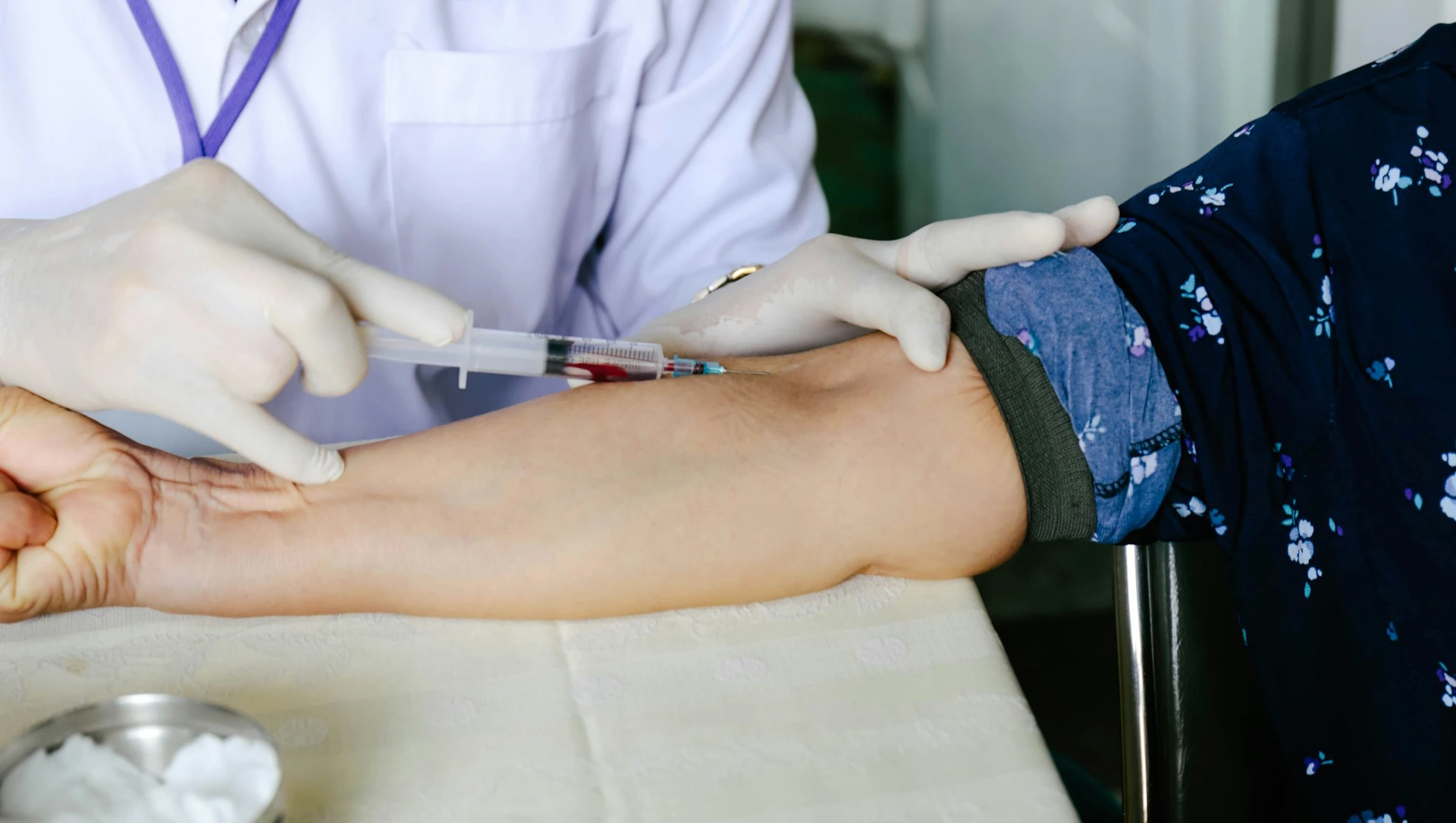
I’m including this because it’s real, it’s legal, it pays meaningfully, and most guides either ignore it or mention it so briefly that you still don’t know what to expect.
Plasma donation is the process of donating blood plasma, the liquid portion of your blood, which is used to manufacture life-saving medications. Donors are compensated for their time and the process.
What it actually pays: First-time donors typically earn $50 to $100 for their first donation, sometimes more. Centers like BioLife, CSL Plasma, and Grifols Biomat USA regularly run new donor promotions offering $500 to $1,000 for completing a set number of donations in your first month. After the new donor bonus period, regular donors earn $30 to $50 per session.
How often you can donate: Up to twice per week, with at least 48 hours between donations. That’s a realistic potential of $200 to $400 per month for regular donors after the initial bonus period.
What the process is like: Your first visit takes two to three hours because it includes screening, a physical examination, and the full donation. Return visits take 45 minutes to an hour. You lie in a recliner, watch TV, or scroll your phone, and the process is largely painless for most people. Some donors experience light-headedness or mild fatigue afterward, which is normal and passes within an hour.
Finding a center near you: BioLife Plasma Services, CSL Plasma, Grifols Biomat USA, and ADMA Biologics are the largest networks in the US, with hundreds of locations. Search “[your city] plasma donation center” to find what’s near you and compare new donor promotions between locations before committing.
This option doesn’t put money in your account within the hour, but for someone who needs $100 to $200 today or tomorrow, it’s a legitimate and meaningful source.
5. Emergency Community and Government Resources Most People Don’t Know About
This is the section I wish more people knew about before they turned to high-interest debt.
There is a network of community, nonprofit, and government emergency assistance programs specifically designed to help people through financial crises. They are systematically underused because people either don’t know they exist or assume they won’t qualify.
211.org is your first call for community resources in the US. Dialing 211 connects you to a local specialist who can identify emergency assistance programs in your area for rent, utilities, food, medical expenses, and more. The service is free, confidential, and available 24/7 in most states. The website allows you to search by zip code and type of need.
LIHEAP (Low Income Home Energy Assistance Program) is a federal program that helps eligible households pay energy bills. In a genuine emergency, some states offer crisis assistance that can resolve an imminent utility shutoff within days. Eligibility is income-based but the thresholds are broader than most people assume.
Emergency Rental Assistance Programs: Following the pandemic, federal emergency rental assistance programs were established across states and municipalities. Many are still active. Eligibility varies by state and county, but programs exist in most areas. Search “[your state or county] emergency rental assistance” to find what’s active in your area.
Local churches and faith communities: Many churches operate emergency benevolence funds that are separate from their general congregation requirements. You do not need to be a member or regular attendee of the church to receive assistance from many of these programs. A direct call to a local church office asking whether they have an emergency assistance fund is often all it takes. Some churches also operate food pantries, utility assistance, and clothing support that indirectly addresses emergency cash needs.
The Salvation Army has a network of local offices that provide emergency assistance with rent, utilities, food, and other basic needs. Call your local office directly because program availability varies by location.
Catholic Charities operates one of the largest networks of social service organizations in the US and assists people regardless of faith affiliation.
These resources don’t write you a check and send you home in most cases. But they can eliminate or reduce the specific expense driving your emergency, which often accomplishes the same thing.
6. Use GoFundMe for a Real Emergency (And Do It Right)
Crowdfunding platforms work for genuine emergencies when the campaign is set up properly and shared effectively. But most emergency campaigns that fail do so for preventable reasons.
What actually works:
A specific, honest title that clearly states the emergency without being dramatic. “Help with unexpected medical expenses after my husband’s surgery” converts better than “We need help” or, on the other extreme, a title designed to maximise emotional impact.
A campaign description that tells a real story with specific details. People donate to situations they can picture. Names, circumstances, what happened, what the money is specifically for, and by when. Vague campaigns receive vague response.
A realistic funding goal. Asking for exactly what you need and explaining what it covers builds more trust than a round number with no breakdown. “I need $1,200 to cover rent for February while I recover from a medical procedure” is more compelling than “I need $5,000.”
What drives donations more than anything: Sharing it yourself. GoFundMe’s data consistently shows that campaigns shared by the person in need to their own social networks receive significantly more donations than campaigns left to the platform’s discovery tools. Send it directly to people who know you. Post it on your own social media with a brief, honest message. Text it to family.
Timeline: PayPal and direct bank transfer withdrawals from GoFundMe typically process within 2 to 5 business days after initiation. GoFundMe allows you to withdraw funds while your campaign is still running, so you don’t need to wait for it to end.
7. Convert Existing Assets You Forgot Were Valuable
Before you start selling furniture, check what you already have that can be converted to cash or used to cover an expense directly.
Unused gift cards: Gift cards sitting in a drawer have real dollar value. Platforms like CardCash and Raise let you sell unused gift cards for 70 to 92 cents on the dollar, with payment via PayPal or check within a few days. A $50 Starbucks gift card you never use becomes $35 to $46 in cash quickly.
Airline miles and hotel points: Miles and points can sometimes be transferred to gift cards or used to cover purchases directly through program portals. If you have a large balance you’ve been saving for a trip, consider whether using some of it to cover an emergency expense makes more financial sense than the alternative.
Cashback balances: If you have a cashback credit card, check your current balance. Many cards allow you to redeem cashback as a statement credit immediately or as a direct deposit. A $200 cashback balance that you’ve been saving for something specific can be redirected toward the emergency without any fee.
HSA and FSA balances: If your emergency involves medical, dental, vision, or pharmacy expenses, your Health Savings Account or Flexible Spending Account covers these expenses directly. Many people forget they have balances in these accounts. Check your benefits portal before paying out of pocket.
Brokerage accounts: If you have a taxable investment account, selling positions and withdrawing funds typically takes two to three business days for a standard transfer. This is not ideal if markets are down, but it’s worth knowing as an option if other sources are exhausted. Note that retirement accounts like 401(k) or IRA have early withdrawal penalties that typically make them a last resort.
8. Quick High-Value Services to Your Immediate Network
I covered this in one of my other articles about making quick cash in a day, but I want to go deeper here because in a genuine emergency, your personal network is one of your most underused resources.
The key is offering something specific at a clear price rather than a general “I can help with anything.”
Computer and technology help: Most people have at least one person in their network who is struggling with something on their laptop, phone, router, or printer. Setting up a new device, migrating data, cleaning out a slow computer, or fixing a persistent technical problem is worth $50 to $100 for an hour of your time to someone who’s been putting it off.
The specific ask: “I’m taking on a few tech help jobs this week. If anyone you know needs help with their laptop, phone setup, or home Wi-Fi, I’m available today and tomorrow. Happy to come to them. Rates are $50 for the first hour.”
Emergency cleaning: Offering to do a deep clean of someone’s home, car interior, or office space for $80 to $150 pays well, requires no special equipment beyond what most people already own, and is in regular demand. People going through busy periods, hosting unexpected guests, or moving out of a property urgently often need this kind of help immediately.
Writing and editing: A CV update for someone going for a job application, a cover letter, a business email they’re stuck on, or editing a document they need to submit professionally. These take an hour or less and pay $40 to $75 when offered to the right person at the right time.
The approach that works: A short, direct message to ten to fifteen people in your network. Specific service. Specific price. Available now. Not a broadcast message to everyone at once, but individual messages to people you have a real relationship with.
Recommended Reading: Freelance Skills That Pay Well Online (Even If You’re Starting From Zero)
9. Pawn Shops: When They Make Sense and When They Don’t
I want to be honest about pawn shops rather than dismissing them entirely or pretending they’re a great option.
A pawn shop offers you a short-term loan against an item you bring in, with the option to reclaim the item within a set period by repaying the loan plus significant interest. If you don’t reclaim it, they sell the item and keep the money.
When it makes sense:
If you need cash today, within the hour, and have a high-value item you can get back within 30 to 60 days when your situation resolves. Jewelry, particularly gold or diamond pieces, gets reasonable offers at pawn shops because the metal value is verifiable. Electronics, musical instruments, and brand-name watches also get meaningful offers.
What to actually expect:
Pawn shops typically offer between 30 and 60 percent of an item’s resale value as a loan amount. They charge monthly interest rates of 10 to 25 percent in most states, which annualises to well above 100 percent APR in most cases. A $200 loan on a $500 item, reclaimed 30 days later, costs you $40 to $50 in interest plus the original $200.
If you’re confident you can reclaim the item within a short window and the interest cost is manageable compared to your alternative, this is a legitimate option. If you’re not confident you can reclaim it, you’re effectively selling the item for 30 to 60 cents on the dollar with extra steps.
My honest take: Selling the item outright on Facebook Marketplace almost always produces more money with less long-term cost. The pawn shop makes sense only when you want the item back and you have a clear repayment plan.
10. Negotiate Payment Extensions Before Anything Escalates
Sometimes the emergency is not “I need cash” but “I need more time before this payment becomes a problem.” Those are different situations with different solutions.
Rent: Most landlords would rather have a 14-day delay with a clear commitment than start the formal eviction process, which is expensive, time-consuming, and unpredictable. Contact your landlord before the due date, not after. Be honest about your situation and your expected resolution date. Offer to pay a portion now and the remainder in two weeks.
Most reasonable landlords will accommodate a tenant with a good payment history who communicates proactively. Put any agreement in writing as a text or email confirmation.
Medical bills: This is the most negotiable category of all. Hospitals and medical providers regularly reduce bills for patients who ask, particularly those without insurance or with high deductibles. Call the billing department and ask specifically: “Do you have a charity care or financial assistance program? Can this be reduced based on my current income?” You may be surprised. Many hospitals reduce bills by 20 to 70 percent for patients who apply, and most have hardship-based payment plans with zero interest.
Utilities: As I mentioned earlier, formal payment arrangements prevent disconnection in most jurisdictions. Call before the shutoff notice arrives, not after.
Car insurance: If your emergency involves affording your car insurance premium, call your insurer and ask whether you can break the payment into two instalments rather than one. Many insurers accommodate this, especially for customers with a clean payment history.
What to Absolutely Avoid When You Need Emergency Money
I’d be doing you a disservice if I didn’t cover this clearly.
Payday loans: These are short-term loans typically for $100 to $500, repayable on your next payday, and they charge fees that translate to annual percentage rates of 300 to 700 percent in many states. A $300 payday loan that costs $15 per $100 borrowed means you repay $345 in two weeks. If you roll it over once, the cost becomes $390. Roll it over again, $435. By the third rollover, you’ve paid $135 in fees on a $300 loan and still owe the principal.
Title loans: Similar structure to payday loans, but secured against your vehicle title. If you can’t repay, you lose the car. The Consumer Financial Protection Bureau reports that one in five title loan borrowers has their vehicle repossessed.
Rent-to-own stores: Technically not a loan, but a way of paying dramatically inflated amounts for everyday items over time. A $400 television on a rent-to-own plan typically costs $800 to $1,200 in total payments.
These products exist in communities where people are desperate. They’re legal. They’re also financially destructive when used in a genuine emergency because they compound the problem rather than resolve it.
Check out: Red Flags of Fake Money Making Websites: What Scam Sites Don’t Want You to Notice
After the Emergency: Building a Buffer So This Never Happens Again
If you’ve worked through this guide and found a way through your current crisis, I want to talk about what comes after.
Financial emergencies feel less like disasters and more like inconveniences when you have a small cash buffer. Even $500 to $1,000 set aside changes the entire experience of an unexpected expense. It means a car repair is annoying but manageable. A medical bill is stressful but not catastrophic.
Building that buffer is partly about spending habits and partly about income. If your current income doesn’t leave room for savings, the answer is either reducing expenses or increasing income. Often both.
That’s where building an online income stream changes everything. Not immediately. Not this week. But consistently, over three to six months, a side income of $300 to $500 per month transforms what’s possible.
Hostinger makes starting a blog or a simple website genuinely affordable. A proper domain and hosting plan for under $5 a month gives you the foundation for an affiliate marketing or freelancing income that compounds over time.
Systeme.io has a free plan that lets you start building an email list and a simple funnel from day one, which is the infrastructure behind most consistent online income.
And The First Dollar Blueprint maps out your first seven days of building that income, day by day, in a way that removes the guesswork completely.
You handled the emergency. Now build the buffer that makes the next one manageable.
Recommended
1. Side Hustles That Require No Investment (What Actually Works for Beginners)
2. How to Start a Side Hustle With No Money (7-Day Beginner Plan That Actually Works)
3. How Bloggers Make Money Online (And What the Real Income Numbers Actually Look Like)
Conclusion
Financial emergencies are one of the most stressful experiences there is, and they often arrive at the worst possible time.
The options in this guide are real. They require effort and some of them require uncomfortable conversations. But every single one of them is available to you right now without taking on high-interest debt that makes a temporary crisis into a lasting one.
Start with your creditors. Call before you miss a payment, ask specifically about hardship programs, and buy yourself the time you need. Then work through the cash-generating options that fit your situation and your assets.
And when this is behind you, make one decision that changes the long-term picture. Build something that earns even when you’re not actively working on it. An income that grows alongside your regular job until it becomes a real buffer between you and the next unexpected moment.
The First Dollar Blueprint is where that starts.
Frequently Asked Questions
What is the fastest way to get emergency money without a loan today?
The single fastest option for most people is selling a high-value item on Facebook Marketplace for local cash pickup. A working smartphone, gaming console, or laptop listed with clear photos and a competitive price can produce $100 to $400 in cash within a few hours. The second fastest is calling your creditors to access a hardship program or payment extension, which costs nothing and often resolves the immediate pressure without generating any money at all. If you’re employed, a pay advance from your employer or an earned wage access app like Earnin can produce money by tomorrow morning.
Do hardship programs actually work, or do creditors just say no?
They work, and they work more often than most people expect. The key is asking before you miss a payment rather than after, using the specific language “hardship program” or “payment extension,” and being calm and direct about your situation. Credit card companies, utility providers, and medical billing departments all have teams specifically authorised to approve these requests. The programs aren’t advertised because they cost the company money. But they exist precisely because having a customer pay late is better for everyone than having them default entirely.
How much does plasma donation pay, and how fast do you get the money?
First-time donors at most plasma centers earn $50 to $100 for their initial donation, with new donor promotions sometimes offering $500 to $1,000 across the first month of donations. Return donor rates are typically $30 to $50 per session, with donations allowed up to twice weekly. Most plasma centers pay immediately after donation via a prepaid debit card loaded at the end of your session, making this one of the faster same-day cash options available. Your first visit takes two to three hours including screening. Return visits take 45 minutes to an hour.
What is 211 and how does it help with financial emergencies?
211 is a free, confidential helpline operated across most of the United States that connects callers to local assistance programs for rent, utilities, food, medical expenses, and other emergency needs. You can reach it by dialing 211 on any phone or searching by zip code at 211.org. The specialists who answer the call are trained to identify which programs you qualify for in your specific area, including programs that most people would never find through a standard web search. It is one of the most underused emergency resources available and should be an early call for anyone facing a financial crisis.
Is it a good idea to use a pawn shop in an emergency?
It depends on two things: whether you intend to reclaim the item and whether the interest cost is manageable compared to your alternative. Pawn shops offer 30 to 60 percent of an item’s resale value as a short-term loan, with monthly interest rates that typically translate to over 100 percent annually. If you’re confident you can repay within 30 days and the item is worth recovering, a pawn shop provides instant cash without a credit check. If you’re not confident about repayment, selling the item outright on Facebook Marketplace will almost always produce significantly more money with no ongoing cost.
What are the safest alternatives to payday loans for emergency cash?
The safest alternatives in order of preference are: creditor hardship programs and payment extensions, earned wage access apps like Earnin and Dave that advance wages you’ve already earned, community and government assistance programs accessed through 211.org, selling items you own for local cash pickup, and plasma donation for same-day compensation. All of these options either cost nothing in interest, charge minimal flat fees, or provide non-repayable assistance. Payday loans and title loans charge effective annual rates of 300 to 700 percent and should be the absolute last resort, only considered when every other option on this list has genuinely been exhausted.