
How Much Money Can You Make Donating Plasma? (Real Numbers and Honest Advice for 2026)

Wondering how much money can you make donating plasma? This honest guide covers real pay rates, new donor bonuses, the best centers, and exactly how to maximize your earnings safely.
Have you been looking for a legitimate way to earn extra money quickly? Plasma donation is one of the few options that can put money in your account within days rather than weeks.
You don’t need special skills, clients, or products to sell. You simply donate plasma, and eligible donors receive payment after each visit.
So, how much money can you make donating plasma?
New donors often earn $500 to $1,100 or more in their first month through promotional bonuses. Regular donors who donate twice per week typically earn $240 to $560 per month. Your actual earnings depend on your location, weight, donation center, and available promotions.
This guide breaks down exactly how plasma donation pay works, what affects your earnings, and what you can realistically expect to make.
DISCLAIMER: This article covers the financial side of plasma donation. It’s for informational and educational purposes, not medical advice. Always check eligibility requirements with your local center and speak with a healthcare provider if you have any health-related concerns.
TL;DR
- New plasma donors can earn between $500 and $1,100 or more in their first month through new donor bonus programs at major centers.
- Regular donors typically earn $30 to $70 per session, with the potential to donate up to twice per week, translating to $240 to $560 per month consistently.
- Pay varies significantly by center, location, your weight, and what promotions are running. Shopping around before committing to a center is worth the research time.
- Plasma donation works best as a bridge income, meaningful and fast but not infinitely scalable, while you build something with higher long-term earning potential.
Plasma Income Can Be a Starting Point, Not the Finish Line
Plasma donation can help bring in extra cash, but many people eventually want an income source that isn’t tied directly to their time. That’s one reason I created The First Dollar Blueprint. It gives beginners a simple 7-day action plan for building real online income with no startup cost and no previous experience required.
Plasma Donation Income: A Quick Summary
| Donor Type | Pay Per Session | Sessions Per Week | Monthly Earnings | Key Detail |
|---|---|---|---|---|
| New Donor (Promotional Period) | $70–$140+ (average over 6–8 sessions) | 2 | $500–$1,100+ (first 30–60 days) | Highest earning period; complete 6–8 sessions to unlock full bonus |
| Regular Donor | $30–$70 (tiered system rewards frequency) | 2 | $240–$560 | Pay increases with more sessions in the same month |
| Referral Bonus | $25–$100 per referred donor | N/A | Varies (one-time per referral) | Both you and the referred friend get paid |
What Plasma Donation Is and Why Centers Pay You For It
Before we get into the numbers, the “why do they pay you for this” question is worth answering because it changes how you think about the transaction.
Plasma is the yellowish liquid portion of your blood that contains proteins, antibodies, and clotting factors. It’s used to manufacture life-saving treatments for people with immune deficiencies, bleeding disorders, burns, and other serious medical conditions.
The global demand for plasma-derived medicines has grown steadily for decades. In fact, the market has expanded by an average of more than 7% per year, driven by increasing demand for treatments used in immune disorders, bleeding conditions, and other serious health issues. For most of these therapies, there is still no synthetic alternative to human plasma.
Because the US allows paid plasma donation while many other countries prohibit it, American plasma centers are the primary source of plasma for treatments used globally.
The companies that run these centers are typically large, profitable healthcare businesses, and compensating donors is their cost of acquiring a raw material they cannot manufacture or source otherwise.
That’s the reason the pay is real and reliable. This is not a gig where payment is uncertain or delayed. It’s a commercial transaction where a company pays you for a biological material that is genuinely valuable to them and to the patients who need it.
How Much Money Can You Make Donating Plasma as a First-Time Donor?
This is where the numbers get interesting, and where most donors earn the most money they’ll ever see from plasma donation.
Here is a quick summary on how much money you can make donating plasma as a first-time donor.
| Scenario | Monthly Earnings |
|---|---|
| New donor completing 8 sessions in first month | $700–$1,100+ |
| Returning donor, 4 sessions per month | $120–$280 |
| Returning donor, 6 sessions per month | $180–$420 |
| Returning donor, 8 sessions per month (consistent) | $240–$560+ |
| Returning donor + referral bonus (1 referral/month) | $265–$660+ |
Every major plasma center runs new donor promotions specifically designed to attract people who have never donated before. These bonuses are dramatically higher than what regular donors earn per session, and they’re structured to reward you for completing a specific number of donations within your first few weeks.
Specific examples of what major centers have offered for new donors:
BioLife Plasma Services has run promotions offering $700 or more for completing eight donations in your first 60 days. Some locations have offered $900 or higher for the same donation count. BioLife is one of the most consistently generous with new donor promotions and has hundreds of locations across the United States.
CSL Plasma has offered new donors $1,000 or more for completing a set number of donations in their first month. CSL regularly updates its promotions, and the rates vary by location, with urban centers in competitive markets often offering higher bonuses than rural locations.
Grifols Biomat USA has promoted $1,000 bonuses for new donors completing specific donation milestones within a defined window. Grifols operates one of the largest networks of plasma centers globally.
Octapharma Plasma and KEDPLASMA are two other major networks that run competitive new donor promotions, typically in the $500 to $900 range for first-time donors completing multiple donations.
The key thing to understand about these promotions is that they’re structured around completing multiple sessions, usually six to eight, in your first month or two. The total bonus arrives as you complete those sessions rather than all at once on your first visit.
A new donor who completes eight sessions in their first 45 days at a center offering $900 in new donor bonuses is effectively earning $112.50 per session during that promotional period. That’s a dramatically better rate than what they’ll earn as a returning donor.
My take: The new donor promotions are the most lucrative part of plasma donation income. I’ve spoken with readers who earned $800 to $1,000 in their first month at a center running strong promotions, which is genuinely meaningful emergency or supplemental income. After that promotional period, the math changes significantly.
Recommended Reading: How to Make Quick Cash in One Day (Specific Methods That Work Right Now)
How Much Regular Plasma Donors Make Per Month
Once your new donor bonus period ends, your pay per session drops to the standard returning donor rate, which varies by center and location but follows a predictable range.
Standard returning donor pay at major centers:
Most centers pay between $30 and $50 per donation for regular donors in the first few sessions of a given month and $40 to $70 or more for later sessions in the same month. Some centers use a tiered system that rewards more frequent donors with progressively higher pay per session within a calendar month.
For example, a center might pay $40 for your first session of the month, $45 for your second, $50 for your third, and $55 for your fourth. If you donate consistently twice per week, you hit the higher tiers faster.
Monthly income breakdown for a consistent returning donor:
Donating twice per week produces approximately eight sessions per month. At an average of $40 to $55 per session across a tiered structure, that translates to $320 to $440 per month from plasma donation alone. Some centers in high-competition markets or with loyalty programs pay slightly more, bringing consistent donors to $500 or above in some months.
This is meaningful supplemental income for most people, though it requires commitment to a twice-weekly schedule and the physical willingness to donate consistently.
The Plasma Centers That Pay the Most in 2026
Pay rates vary enough between centers that where you go genuinely matters for maximizing your income. Here’s what you need to know about the major networks.
| Center | New Donor Bonus Range | Returning Donor Pay | Payment Method | Best For |
|---|---|---|---|---|
| BioLife Plasma Services | $700–$900+ | $30–$60+ per session | myBioLife reloadable debit card | Consistently high pay, strong loyalty rewards |
| CSL Plasma | $800–$1,000+ | $30–$70+ per session | iGive Rewards debit card | Tiered system rewards frequent donors |
| Grifols Biomat USA | $500–$900+ | $30–$50+ per session | Prepaid debit card | Strong regional presence, competitive bonuses |
| Octapharma Plasma | $500–$800+ | $30–$50+ per session | Prepaid debit card | Growing network, competitive in some markets |
| KEDPLASMA | $500–$700+ | $30–$50+ per session | Prepaid debit card | Southeastern US, smaller network |
- BioLife Plasma Services (operated by Takeda Pharmaceutical) is widely considered one of the best-paying centers for both new donors and returning donors. BioLife pays via a reloadable debit card called the myBioLife card, which loads immediately after each donation. They have strong new donor promotions and a loyalty rewards structure that benefits frequent donors.
- CSL Plasma is another consistently competitive payer, particularly for new donors. CSL operates hundreds of locations and uses a tiered payment system that increases your per-session pay for later donations in the same month. They pay via their iGive Rewards debit card.
- Grifols Biomat USA runs a network of centers and tends to be competitive on new donor rates. Their regular donor pay is in line with the industry standard.
- Octapharma Plasma has been growing its network and offers competitive promotions. Some Octapharma locations have been reported by donors to offer particularly strong returning donor rates in specific markets.
- KEDPLASMA is smaller than the above networks but operates competitive centers in specific regions, particularly in the southeastern United States.
How rates vary by location: A BioLife in a city with three competing centers nearby typically pays more than a BioLife in a city where it’s the only option. Centers compete for donors the same way other businesses compete for customers, and more competition in a market means higher pay for donors.
How to find the best rate in your area: Search for each major network’s nearest location and check their current promotions online before visiting. Many centers list their current new donor bonuses on their website or Facebook page. Calling ahead to ask the current rate for a new donor takes two minutes and can save you from starting at a lower-paying center when a better option is fifteen minutes further away.
What Affects How Much You Earn Donating Plasma
Not everyone earns the same amount, even at the same center. Several factors influence your specific earnings.
| Factor | How It Affects Your Earnings |
|---|---|
| Your weight | Donors over 150 lbs donate more plasma per session, which some centers compensate with higher pay |
| Donation frequency | Tiered systems reward more frequent donors with higher per-session pay later in the month |
| Location | Urban centers with multiple competing centers pay more than areas with only one center |
| Referral bonuses | Each referred donor earns you $25–$100 without additional physical effort |
| Current promotions | Holiday bonuses, loyalty milestones, and limited-time rate increases add extra income |
Your weight: Most plasma centers collect different volumes of plasma based on your body weight. Donors who weigh 150 pounds or more typically donate a larger volume of plasma per session than donors near the minimum weight threshold, which some centers factor into their tiered pay structure. At some centers, heavier donors receive slightly higher pay per session because they’re donating a higher volume.
Donation frequency: Centers that use tiered monthly payment structures reward more frequent donors with higher rates for later sessions in the month. Donors who consistently hit eight or more sessions per month earn meaningfully more per session than those who only come in twice a month.
Your location: Center density in your city affects competitive pressure on pay rates. Urban areas with multiple competing centers generally pay more than areas with a single center and no local competition.
Referral bonuses: Most major centers offer referral programs that pay both you and a friend when your friend donates for the first time using your referral code. BioLife, CSL, and other major networks have referral bonuses ranging from $25 to $100 per referred new donor who completes their first donation. If several people in your life are interested in donating, the referral income alone adds meaningful money to your plasma earnings.
Current promotions: Plasma centers run additional promotional campaigns beyond the standard new donor bonus, holiday bonuses, loyalty milestones, and limited-time rate increases. Checking your center’s app or website regularly catches these opportunities before they expire.
Who Qualifies to Donate Plasma (And What Disqualifies You)
Not everyone who wants to donate plasma can, and knowing the basic eligibility requirements before you make the trip saves you time.
Basic requirements across most centers:
- You must be at least 18 years old at most centers, though some accept donors as young as 17 with parental or guardian consent
- You need to weigh at least 110 pounds
- You must be in generally good health and pass a screening questionnaire about your medical history
- You need to provide valid identification and proof of your Social Security number, and you’ll need to verify your current address
Common disqualifiers:
- Certain medical conditions automatically disqualify donors, including some chronic conditions, certain blood disorders, and history of specific infections.
- Recent tattoos or piercings are a temporary disqualifier at many centers, with a four-month waiting period required after getting a tattoo or piercing.
- Recent travel to certain countries may also temporarily disqualify donors depending on the health risk associated with specific destinations.
Certain medications disqualify donors either temporarily or permanently depending on what they treat. Bring a list of any medications you take to your first visit and the staff will assess whether they affect your eligibility.
A helpful step before your first visit: Call the center or check their eligibility FAQ online before making the trip. Most major centers have detailed eligibility information available, and a two-minute phone call can confirm whether any specific factor in your history would affect your ability to donate.
What the Plasma Donation Process Actually Feels Like
Most guides describe plasma donation clinically without describing the actual experience. Here’s what to actually expect, starting with the first visit.
Your first visit: Plan for two to three hours. This initial appointment is longer than subsequent visits because it includes a complete medical screening, physical examination, health questionnaire, and often a small blood test to verify your protein and hemoglobin levels.
You’ll be checked for blood pressure, pulse, and temperature. This screening is thorough because it protects both you and the people who will eventually receive plasma-derived treatments.
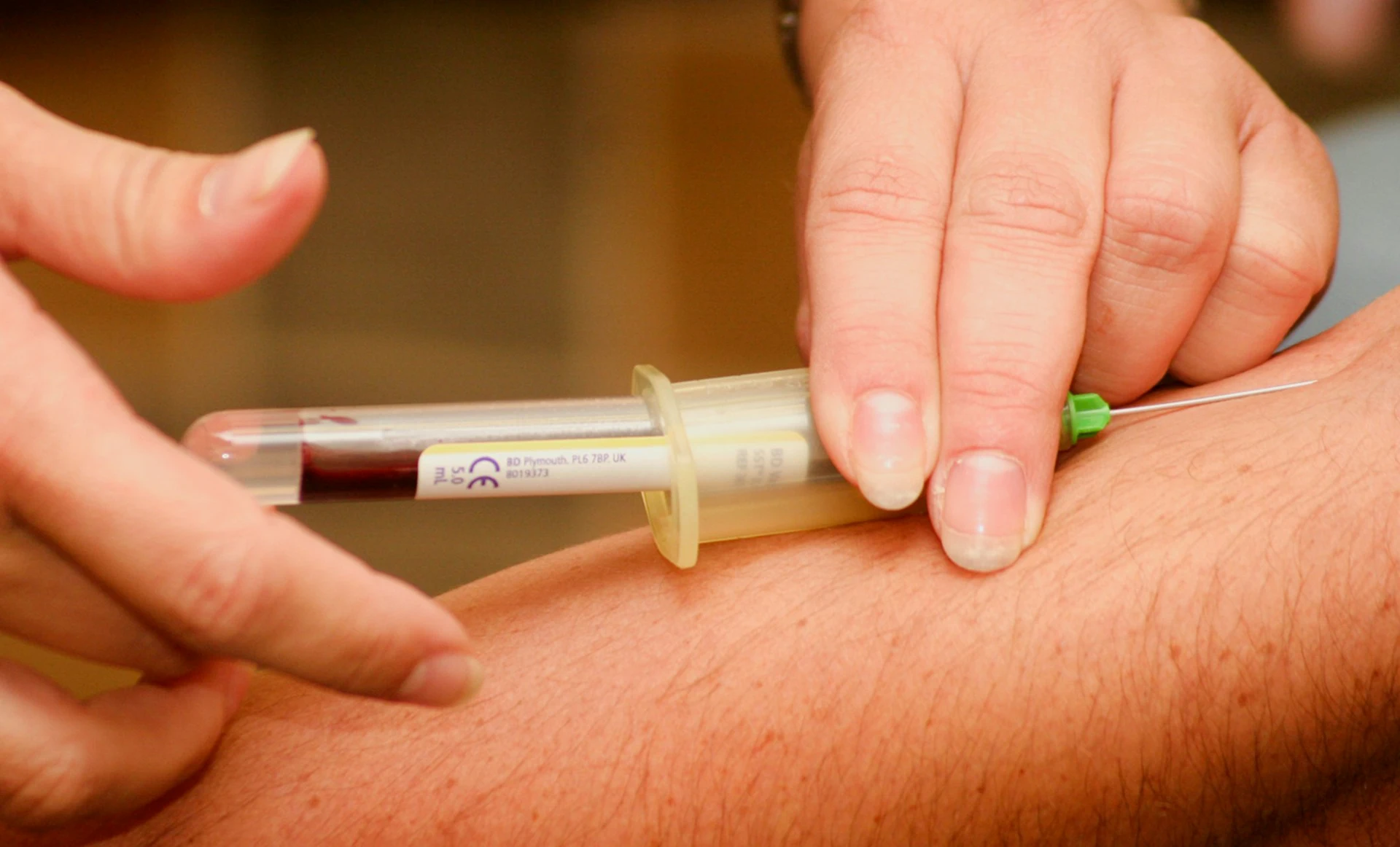
The donation itself: Once you’re cleared and seated, a staff member inserts a needle into a vein in your arm, typically in the antecubital vein inside the elbow. A machine called a plasmapheresis machine draws your blood, separates the plasma from your red blood cells, and returns the red blood cells to your body with saline. This return process is what makes plasma donation different from whole blood donation and why you can donate more frequently.
Check the video below to see the actual process.
The actual process takes 45 to 90 minutes depending on the volume being collected and how quickly your blood flows. Most donors use this time to watch their phone, listen to music, or sit with the entertainment provided at most modern centers.
What it feels like physically: Most healthy donors experience the donation as unremarkable. Some notice a mild cool sensation when the saline returns to their arm, which is normal.
Feeling lightheaded during or after donation is possible, particularly for first-time donors, those who haven’t eaten, or those who are dehydrated. The staff are trained to manage this and will have you rest until you feel stable before leaving.
Return visits: Once you’ve completed the initial screening, return visits are typically 45 to 75 minutes. The medical check at the beginning is abbreviated to a basic health verification rather than the full examination of your first visit.
How to Maximize Your Plasma Donation Income
Getting the most out of plasma donation as an income source requires a few specific strategies.
Compare centers before starting. Before your first donation, check the new donor bonus rates at every center within a reasonable distance from your home. The difference between a $600 new donor promotion and a $900 one at a center fifteen minutes further away is $300, which represents real money for the same physical commitment.
Donate consistently at your chosen center. Changing centers resets you to regular donor rates rather than letting you benefit from tiered monthly structures. Pick the center with the best overall terms, not just the highest first-session bonus, and donate there consistently.
Hydrate seriously the day before and morning of donation. Donors who are well-hydrated have better blood flow, faster donation sessions, and a noticeably more comfortable experience than those who arrive mildly dehydrated. The practical income implication is that faster sessions mean you spend less time per dollar earned.
Eat a protein-rich, low-fat meal before each session. High-fat foods can affect the appearance and composition of plasma in ways that sometimes result in a session being ended early or the plasma not being accepted. A solid meal before donation also reduces the likelihood of lightheadedness after donation.
Use the referral program actively. If anyone in your life is interested in donating, send them your referral code before their first appointment. Referral bonuses at most major centers pay both people when the referred friend completes their first donation, and this income requires no additional physical effort from you.
Check the center’s app regularly for promotional bonuses. Most major centers push special promotions through their apps, email, and social media that offer bonus pay for specific sessions or for hitting a donation milestone in a calendar month. These promotions are often time-sensitive, and donors who check regularly catch them while others miss them.
Is Donating Plasma Worth It Compared to Other Ways to Make Money?
Here’s my honest assessment, because I think nuance matters here.
Before I explain further, take a look at this quick comparison to see how plasma donation stacks up against other fast-income options.
| Option | Time to Payment | Skill Required | Scalability | Physical Commitment |
|---|---|---|---|---|
| Plasma Donation | Same day | None | Fixed (2x/week cap) | Moderate |
| Selling items | Same day | None | Limited (depends on items) | None |
| Surveys | Days to weeks | None | Low ($20–$80/month) | None |
| Delivery apps | Same day (instant pay) | Vehicle, driving | Medium (hours-based) | Moderate to High |
| Plasma + online income build | Same day + 3–12 months | None for plasma | Plasma funds the build | Moderate (plasma) + cognitive (online) |
Plasma donation is genuinely one of the best options for fast, no-skill-required income that’s available to a large number of people. There’s no application, no clients to pitch, no product to sell, and no waiting for a platform to review your profile. You show up, you’re eligible, and you leave with money on a debit card.
For someone in a genuine financial pinch who needs money this week and is in good health, plasma donation beats almost every other option in terms of speed, reliability, and no barrier to entry.
The honest limitations are worth naming clearly too.
It requires physical participation, which means it’s not passive and not scalable. You can’t donate more than twice per week. The twice-weekly cap means the income ceiling for a consistent donor is around $400 to $500 per month as a returning donor, which is meaningful supplemental income but not a livable income on its own.
Some donors experience physical effects, particularly in their early sessions, including mild lightheadedness, bruising around the donation site, and general fatigue. For most healthy donors these effects are minor and temporary. But they are real, and they factor into an honest assessment of what this income costs you physically.
In my opinion, plasma donation is excellent for the specific situation it’s suited for. It fills financial gaps fast. It provides reliable income while you build something more scalable. And it funds the early stages of other income strategies, whether that’s buying a course, covering hosting costs for a blog, or simply buying time to build without financial panic.
What it isn’t, and shouldn’t be treated as, is a long-term primary income strategy. The income is real, but the ceiling is fixed and the physical commitment is ongoing.
Also, you can check out some other 50+ Legit Ways to Make Extra Money Online in 2026 (Real Opportunities That Pay)
Using Plasma Income as a Launchpad for Something Bigger
The smartest approach is to treat plasma donation as a tool rather than a destination. The extra cash can help you handle short-term expenses while creating opportunities to improve your financial situation over time. You can also check other Fast Ways to Get Emergency Money Without Loans (Honest Options for Real Emergencies)
They treat it as a bridge. They donate consistently for three to six months, earning $300 to $500 per month in returning donor income. They use that money intentionally: clearing a small debt, covering an emergency expense, or funding the early investment in a more scalable online income stream like a blog or a digital product.
The plasma income buys them financial breathing room. That breathing room gives them the mental space to build something without desperation driving every decision.
If that’s where you are right now, plasma donation is a genuinely smart move. But the goal, if it makes sense for your situation, is to be building something that grows beyond a fixed physical ceiling at the same time.
Recommended Reading: How to Reinvest Online Earnings for Growth (Without Wasting a Single Cent)
The First Dollar Blueprint is the resource I’d put in your hands for that next step. It’s a 7-day structured plan for building your first real online income starting from zero, the same day you decide you’re ready to build something alongside whatever you’re already doing to generate income.
Is Plasma Donation Worth It?
| If You… | Plasma Donation Is… |
|---|---|
| Need fast cash within days | Excellent option (first visit pays immediately) |
| Can commit to 2 sessions per week | Great option ($240–$560/month consistently) |
| Are in good health and over 110 lbs | Worth checking eligibility immediately |
| Live near a center with strong new donor bonuses | Start here ($700–$1,000+ first month) |
| Are looking for a long-term primary income | Not the right fit (income ceiling is fixed) |
| Have a medical condition that disqualifies you | Not available (check eligibility first) |
Conclusion
The answer to how much money you can make donating plasma is genuinely good news for most healthy adults who are eligible.
In your first month as a new donor at a center running strong promotions, $700 to $1,000 is a realistic target. As a consistent returning donor, $300 to $500 per month is achievable with a twice-weekly schedule. The income is fast, reliable, and requires nothing except your physical eligibility and your time.
The path that makes the most financial sense is using that income intentionally. Clear the immediate gap. Fund the next step. Build something alongside it that isn’t capped by how many times you can physically show up per week.
Plasma donation is a legitimate tool in the income toolkit. Use it for what it’s genuinely good at, and then build the things it can fund.
Frequently Asked Questions: How Much Money Can You Make Donating Plasma?
How much money can you make donating plasma for the first time?
First-time donors typically earn the most they’ll ever receive per session through new donor bonus programs. Major centers like BioLife, CSL Plasma, and Grifols regularly run promotions offering between $500 and $1,100 for new donors who complete a specified number of donations within their first 30 to 60 days. These promotions translate to an effective per-session rate of $75 to $130 during the promotional period, which is dramatically higher than the $30 to $70 per session that returning donors earn. Your specific bonus depends on which center you visit, the current promotion running at your location, and completing the required number of sessions within the promotional window.
How often can you donate plasma for money?
Federal regulations in the United States allow plasma donation up to twice per week, with a minimum of 48 hours required between donations. Most centers schedule around this limit, allowing donors who want to maximize income to donate on something like a Monday and Thursday or Tuesday and Friday schedule. Donating eight times in a calendar month is the practical maximum for a consistent donor, which is why the monthly income ceiling for returning donors generally falls between $300 and $500 depending on the center’s pay structure and any promotions running in that month.
Which plasma center pays the most money?
Pay varies by center, location, and the current promotions running. BioLife Plasma Services and CSL Plasma are consistently cited by donors as among the highest-paying major networks for both new donor bonuses and returning donor rates. However, the specific location matters more than the brand: a CSL center in a city with multiple competing centers nearby may pay more than a BioLife in a market with no local competition. Before committing to a center, check the current new donor promotion at every center within a reasonable distance from your home, because the difference between the best and second-best local option can be $200 to $400 in first-month earnings.
How long does a plasma donation take?
Your first visit takes two to three hours because it includes a complete medical screening, physical examination, and health questionnaire before any donation occurs. Return visits are significantly shorter, typically 45 to 75 minutes from arrival to leaving with your payment, because the initial screening has already been completed and only a brief health verification is required at the start of each subsequent visit. Being well-hydrated before your appointment reduces the time the actual donation takes because it improves blood flow through the donation process.
What disqualifies you from donating plasma?
Common disqualifiers include having certain chronic medical conditions or blood disorders, certain medications that affect blood composition or indicate underlying conditions being managed, having received a blood transfusion recently, recent travel to specific high-risk regions, and having gotten a tattoo or piercing within the past four months at many centers. Minimum weight requirements, typically 110 pounds, also apply. The safest way to check your specific eligibility is to call your nearest center before your first visit, describe any relevant medical history or medications you take, and ask directly whether those factors affect your ability to donate. Most center staff are straightforward about eligibility over the phone.
Is donating plasma safe, and is it worth doing for money?
Plasma donation is a regulated medical procedure performed by trained staff in a clinical environment and is generally considered safe for healthy adults who meet eligibility requirements. The most commonly reported effects are mild and include temporary lightheadedness, bruising or mild soreness at the donation site, and occasional fatigue following donation, all of which resolve quickly for most donors.
Serious complications are rare. Whether it’s worth doing financially depends on your situation: for someone who needs immediate cash and is in good health, the fast, reliable income with no skill or experience requirements makes plasma donation one of the most practical short-term income options available. As a long-term income strategy, the twice-weekly frequency cap means the ceiling is fixed at around $400 to $500 per month for returning donors, which makes it most valuable as supplemental income while building something with higher scalability alongside it.