
Money Management for Side Hustlers: A Beginner’s Guide to Keeping More of What You Earn

Making extra money is only part of the journey. This guide to money management for side hustlers shows you how to budget your income, avoid common mistakes, and make every dollar count.
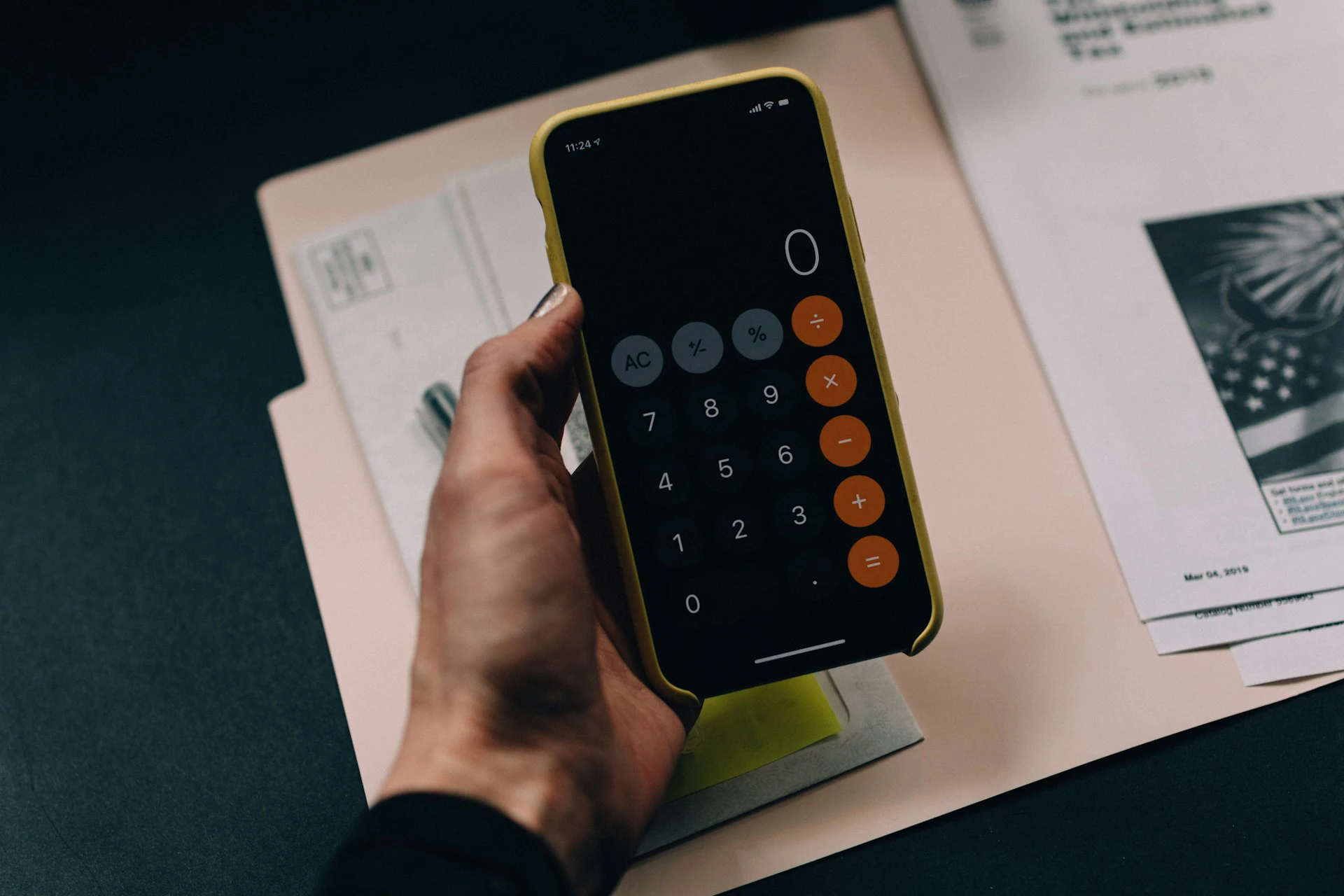
There is a specific frustration that shows up a few months into earning from a side hustle.
You have been working. Money has come in. But when you look at your bank account, you cannot really account for where it went. It blended into your regular spending, covered a few bills, got spent on things you cannot quite remember, and now the side hustle feels like it’s producing income without actually changing your financial situation at all.
That’s why money management for side hustlers is so important. Earning extra income is a great start, but what you do with that money determines whether your side hustle actually improves your finances.
In this article, you’ll learn simple ways to manage your side hustle income, keep more of what you earn, and turn those extra dollars into long-term financial progress.
Quick Answer
The foundation of side hustle money management is simple. Separate your hustle income from your personal income, set aside a fixed percentage for taxes before you spend anything, track what comes in and what goes out, and decide in advance what each dollar of profit is for. That system alone puts you significantly ahead of most beginner side hustlers.
TL;DR
- Side hustle income disappears when it mixes with personal spending and has no system around it.
- Setting aside 20 to 30 percent for taxes before anything else prevents the most painful surprise a self-employed person can face.
- Irregular income requires a different budgeting approach than a regular salary.
- Every dollar of side hustle profit should have a job before it arrives. Decide the allocation in advance, not after.
Recommended Reading:
📌Side Hustles That Require No Investment (What Actually Works for Beginners)
📌How to Choose the Right Side Hustle for You (Without Wasting Time or Money)
📌Offline Side Hustles for Beginners: 10 Real Ways to Earn Money This Weekend
Money Management for Side Hustlers: A Quick Summary
| Step | What to Do | Why It Matters | How to Start |
|---|---|---|---|
| 1. Separate your income | Open a separate bank account for side hustle earnings | Prevents money from disappearing into personal spending | Open a free account online today |
| 2. Set aside taxes | Transfer 20–30% of every payment to a dedicated tax account | Avoids the most painful surprise a self-employed person can face | Do this the moment payment arrives |
| 3. Budget for irregular income | Budget against your lowest consistent month, not your best | Removes the feast-and-famine emotional cycle | Track 3–6 months of earnings to find your baseline |
| 4. Build an emergency fund | Save 3 months of baseline expenses | Protects you when income drops unexpectedly | Set aside 10% of monthly profit until target is reached |
| 5. Decide in advance what profit is for | Allocate profit to: emergency fund, debt, reinvestment, personal goals | Money with a purpose builds; money without it disappears | Set your priority order before income arrives |
| 6. Track everything | Record every payment and expense in a simple spreadsheet | You cannot manage what you do not measure | Spend 10 minutes weekly on tracking |
Why Side Hustle Money Disappears So Easily
Most side hustlers have no formal system for the money they earn. It lands in the same account as their salary, grocery spending, and Netflix subscription. Within a few weeks, it is simply gone, absorbed into the general flow of everyday life.
This is not a discipline problem. It is a systems problem.
When income has no structure around it, spending expands naturally to meet it. This happens without any conscious decision. You simply feel slightly less tight for a few days, make slightly more relaxed choices, and the money vanishes before it ever had a chance to do anything useful.
The solution is not budgeting more aggressively. It is building a simple structure that removes the decision entirely.
The First Thing Every Side Hustler Should Do With Their Earnings
Open a separate bank account specifically for your side hustle income.
This is the single most impactful financial decision a beginner side hustler can make, and it costs nothing to implement. Most banks offer free current or savings accounts that can be opened online in under ten minutes.
Every payment from every client, every platform payout, every sale goes into this account first. Nothing goes directly into your personal account. The separation creates a clear boundary between what your side hustle has earned and what you have available to spend personally.
This one habit changes how you see your side hustle financially. Instead of a vague sense that “money came in this month,” you have a specific, visible number. That number is information you can actually use.
For side hustlers receiving payments in foreign currencies, having a multi-currency account makes the management cleaner. Wise or PayPal are worth knowing about here. They let you hold and convert multiple currencies with transparent fees, which is particularly useful if you freelance for international clients and want to avoid losing money on conversion before the funds even reach you.
Read: Wise Review For Freelancers: Is It Worth Using to Receive International Payments?
How to Handle Taxes as a Beginner Side Hustler
This is the conversation most beginners avoid until they cannot avoid it anymore, usually around tax filing time when the number is larger than expected.
In most countries, side hustle income is taxable. Unlike employment income where tax is deducted before you receive anything, self-employment income arrives gross. You are responsible for setting aside the tax portion yourself.
The percentage you owe depends on your country, your total income, and your specific tax situation. Because this guide cannot give you personalised tax advice, the general guidance I give to beginners is this: set aside 20 to 30 percent of every payment you receive before you do anything else with it.
This is not the exact amount you will owe in every case. It is a reasonable buffer that prevents the worst outcome, which is spending income that was never really yours and then being unable to pay the bill when it arrives.
The moment a payment lands in your side hustle account, transfer the tax portion into a separate savings account or a dedicated pot within your bank. Label it clearly. Do not touch it.
Some beginners find that 25 percent is more than enough and they get a pleasant surprise at tax time. Others find they owe closer to 30 percent. Either way, having the money set aside means you are never caught unable to pay.
If you earn consistently from your side hustle, speak to a local accountant or tax advisor about your specific obligations. The cost of a single consultation is almost always less than the cost of the mistakes it prevents.
How to Budget When Your Income Is Irregular
This is one of the specific challenges that side hustle income creates that traditional budgeting advice does not address.
A salary arrives on the same day every month in the same amount. You can budget against it precisely. Side hustle income arrives when clients pay, when products sell, and when platforms release funds. Some months it is $800. Some months it is $150. Budgeting against an unpredictable number using a method designed for a predictable one creates constant stress.
The approach that works is called baseline income budgeting.
You identify the lowest monthly amount your side hustle has consistently produced over the past three to six months. That lower figure becomes your planning number. You budget your savings targets, reinvestment decisions, and any regular commitments from the side hustle against the baseline only.
When a higher-earning month arrives, the additional money above baseline goes into a specific priority order you decide in advance. More on that in the next section.
This approach removes the feast-and-famine emotional cycle that irregular income creates. In a lower month, you are within budget. In a higher month, you have a system for what happens to the extra. Neither outcome requires a decision made under pressure.
Building Your Side Hustle Emergency Fund
Side hustlers need an emergency fund more urgently than most employed people, not less.
An employee whose main income gets disrupted has one problem. A side hustler whose main income gets disrupted while also managing clients, platform dependence, and irregular payment timing has several problems simultaneously.
The target for a side hustle emergency fund is three months of your baseline side hustle expenses. This covers the cost of tools, subscriptions, and any business-related spending if income drops significantly and you need time to recover it.
This fund lives in a separate savings account that you do not touch for anything other than a genuine financial emergency. It is not for a slow month. It is for a situation where you genuinely cannot meet your obligations without it.
Building it takes time, especially in the early months when income is modest. The approach I recommend is setting a fixed percentage of every month’s profit toward the emergency fund until the target is reached. Ten percent of monthly profit works for most beginners without creating pressure. Once the fund is full, that ten percent redirects elsewhere.
Read: Fast Ways to Get Emergency Money Without Loans (Honest Options for Real Emergencies)
What to Actually Do With Your Side Hustle Profits
Once taxes are set aside and the emergency fund is being built, the remaining profit needs a clear purpose before it arrives.
Deciding what money is for after it arrives is how money disappears. Deciding before it arrives is how it builds.
Here are the four categories most side hustlers’ profits should go toward, in a priority order that makes sense for someone building income from scratch.
Emergency fund first until the three-month target is reached. This is non-negotiable before anything else.
Debt reduction second if you carry high-interest debt. The interest cost of carrying credit card or high-rate loan debt almost always exceeds the return on any investment or reinvestment decision you could make with the same money.
Reinvestment in the side hustle third once the emergency fund is solid and high-interest debt is managed. This covers tools that increase your earning capacity, courses that expand your skills, or infrastructure that makes your work more efficient. Reinvestment is not optional spending. It is how a side hustle grows. See How to Reinvest Online Earnings for Growth (Without Wasting a Single Cent)
Personal financial goals fourth once the above are in order. Saving toward a specific target, building a general investment account, or simply improving your day-to-day financial position.
The allocation does not need to be equal. In a month where profit is lower, emergency fund contributions might be smaller. In a higher month, debt reduces faster. The categories stay the same. The amounts flex.
Read Also: How to Turn Your First Dollar Into Consistent Income (The Step-by-Step Plan)
Tracking Your Side Hustle Income and Expenses
You cannot manage what you do not measure. This is especially true for side hustle finances where there is no employer payslip summarising what happened.
A basic tracking system does not require accounting software or financial training. A simple spreadsheet covers everything most beginners need.
Record each payment when it arrives: the date, the amount, the source, and the currency if relevant. Record each business-related expense when it occurs: the date, the amount, and what it was for. At the end of each month, calculate the difference. That is your profit for the month.
This process takes about ten minutes per week if you do it regularly and an uncomfortable hour if you leave it for month-end. Regular is better.
Expenses worth recording include platform subscription fees, tools you use for the hustle, any equipment purchased for business use, professional development spending, and transaction fees from payment platforms. These are real costs of earning, and in most tax jurisdictions they reduce your taxable income when properly documented.
Keeping receipts or digital records of expenses is a habit worth building from the beginning. A photo of every business receipt stored in a dedicated folder on your phone is a simple system that saves significant stress at tax time.
The Money Mistakes Most Beginner Side Hustlers Make
These appear consistently and are all avoidable with a system in place.
Mixing personal and side hustle money. This is the root cause of most financial confusion side hustlers experience. One account for everything means no clear picture of anything. Separate accounts create clarity without effort.
Spending before setting aside tax. The money that arrives in your account is not all yours. A portion of it belongs to the tax authority. Spending it before setting that portion aside creates a debt you cannot see until it is due.
Treating a good month as the new normal. One strong month does not redefine your baseline. Spending to match a high-income month and then finding the next month returns to average creates a cycle of constant financial stress.
Reinvesting nothing. Side hustle income spent entirely on personal consumption does not grow the hustle. Some portion of profit consistently reinvested in tools, skills, or infrastructure is what turns a side hustle into something larger over time.
Tracking nothing. Without records, you cannot see patterns, cannot document expenses, cannot calculate actual profit, and cannot make informed decisions about whether the side hustle is worth the time it costs you.
Continue Reading: 12 Beginner Mistakes That Stop You From Making Money Online (And How to Fix Them)
Key Takeaways
- Separate your side hustle income into its own account immediately. That one habit creates more financial clarity than any amount of budgeting advice applied to a single mixed account.
- Set aside 20 to 30 percent for taxes before spending anything. Do this automatically on arrival. It is not optional and the consequences of not doing it are painful.
- Budget against your lowest consistent month, not your average or your best. This removes the emotional cycle of irregular income and gives you a stable foundation to plan from.
- Every dollar of profit should have a purpose before it arrives. Emergency fund, debt, reinvestment, personal goals. In that order.
Conclusion
Earning from a side hustle is genuinely exciting. Having nothing to show for months of earnings is genuinely demoralising, and it happens to more side hustlers than would care to admit it.
The system described in this guide is not complicated. A separate account. A tax set-aside. A simple tracking habit. A clear priority order for profit. That structure costs nothing to implement and produces a completely different relationship with your side hustle income.
Money that has a system around it builds. Money that doesn’t disappears.
You have done the harder work of building income. Taking an afternoon to build the system around it is the step that makes that income mean something.
Start with the account. Set it up today. Everything else follows from there.
Recommended Reading: Fastest Ways to Earn Your First Dollar Online (7 Real Methods That Work Today)
Frequently Asked Questions: Money Management for Side Hustlers
Should I open a business account or a personal account for my side hustle income?
For most beginners earning modest side hustle income, a separate personal account is sufficient. A formal business account becomes worth considering when your income grows significantly, when clients require invoices from a registered business, or when your country’s tax rules create a benefit to formal business registration. In the early stages, the most important thing is separation, not the specific type of account.
How much of my side hustle income should I set aside for taxes?
A common starting point is 20 to 30 percent of every payment. The exact amount you owe depends on your country, your total income across all sources, and allowable deductions. Setting aside 25 percent as a default gives you a buffer that works in most situations. If you consistently earn above a certain threshold, consult a local tax professional to understand your specific obligations.
Do I need accounting software for my side hustle finances?
Not at the beginner stage. A simple spreadsheet tracking income date, amount, source, and a second tab for expenses covers everything most beginners need. Accounting software becomes worth considering when you have multiple income streams, many regular expenses, VAT or sales tax obligations, or employees. Until those apply to you, keep it simple.
How do I budget for irregular side hustle income?
Use your lowest consistent monthly income as your planning baseline rather than your average or your best month. Budget all fixed commitments and savings targets against that lower number. When a higher month arrives, direct the additional amount according to a predetermined priority order: emergency fund, debt, reinvestment, personal goals. This approach prevents the stress cycle that irregular income typically creates.
What should I reinvest my side hustle profits into?
Reinvestment should go toward things that directly increase your earning capacity or reduce the time you spend earning the same amount. Tools that make your work faster, courses that expand your marketable skills, platform upgrades that give you access to better opportunities, or infrastructure that removes manual work from your process. Reinvestment is not discretionary spending. It is how a side hustle grows rather than stays the same size indefinitely.
When does a side hustle income need to be declared to the tax authority?
In most countries, any income above a minimum threshold must be declared regardless of source. The threshold varies significantly by country. Some countries have specific allowances for small amounts of self-employment income. Others require declaration from the first dollar. Do not assume the income is small enough not to matter. Research the rules in your specific country or ask a local accountant. The cost of getting this wrong is almost always higher than the cost of getting it right from the beginning.