99designs is a freelance design platform where graphic designers can find clients, compete in design contests, and sell their creative services.
The platform focuses on design work rather than general freelancing. Designers can work on logos, branding, websites, packaging, clothing designs, illustrations, and many other types of visual projects.
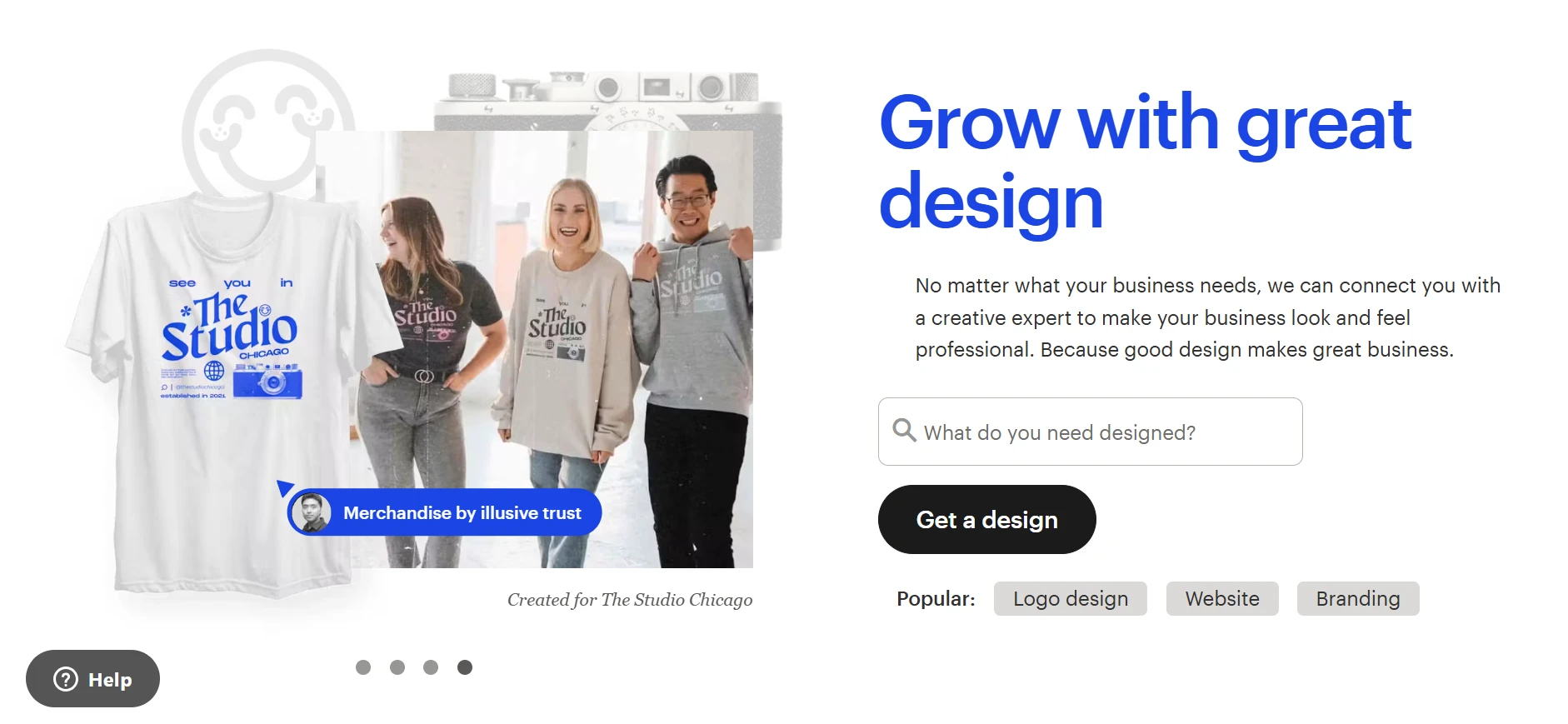
There are two main ways to earn. You can enter design contests and compete for a client’s prize, or work directly with clients through one-to-one projects.
With contests, a client posts a design brief and several designers submit their ideas. The client chooses a winning design, and the winning designer receives the prize. Contests usually run through several stages where designers can receive feedback and improve their work.
The second option gives you a more traditional freelance relationship. A client can find you through your profile, request a quote, and hire you directly for a project.
You can also bring your existing clients onto 99designs. The platform provides tools for handling files, communication, payments, and project details in one place.
Getting accepted is one of the main barriers for new designers. Every new designer must apply, and 99designs reviews applications against its quality standards. The company describes acceptance as highly competitive.
Approved designers receive one of three levels: Entry, Mid, or Top. Higher levels can provide better visibility, access to higher prize contests, faster payouts, and lower platform fees.
Your earnings depend on the type of project and the amount you charge or win. 99designs does not use one fixed pay rate for designers. Contest prizes also vary by design category and package.
There are platform fees to consider. New clients can result in a $100 introduction fee spread across their first $500 in charges, while the platform fee ranges from 15% for Entry Level designers to 5% for Top Level designers.
Payouts now run through Hyperwallet. After a client releases payment, 99designs has a five-business-day review period, followed by another one to two business days for the transfer to Hyperwallet.
The platform suits designers who already have solid skills and a portfolio. Beginners can apply, but the competitive screening and contest model make it harder to rely on 99designs without strong work to show.
Pay
Varies by project and contest. Designers set their own prices for direct projects, while contest prizes depend on the client's chosen package.
How You Make Money
You apply to become a 99designs designer, build your profile, and either enter design contests or work directly with clients. You earn contest prizes when your design wins or receive the agreed project payment when a client hires you directly.
Payment Method
Hyperwallet, with available withdrawal methods depending on your region.
Withdrawal Speed
After payment is released, 99designs holds the funds for five business days before sending them to Hyperwallet. The transfer can then take another one to two business days.
Pros
• You can earn from both design contests and direct client projects.
• Designers can set their own prices for one to one projects.
• The platform covers many design categories and client types.
• Higher designer levels come with lower platform fees.
• Clients fund projects through the platform, which adds payment protection.
• Strong designers can build long term client relationships through the platform.
Cons
• New designers must pass a competitive application process before they can participate.
• Contest work can take time without any payment if another designer wins.
• Platform and client introduction fees reduce your final earnings.
• You need a strong portfolio to compete effectively.
• Payouts are not immediate after a client releases the money.
Best For
Graphic designers, logo designers, illustrators, brand designers, and other creatives with a strong portfolio.